
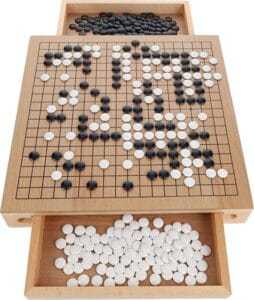

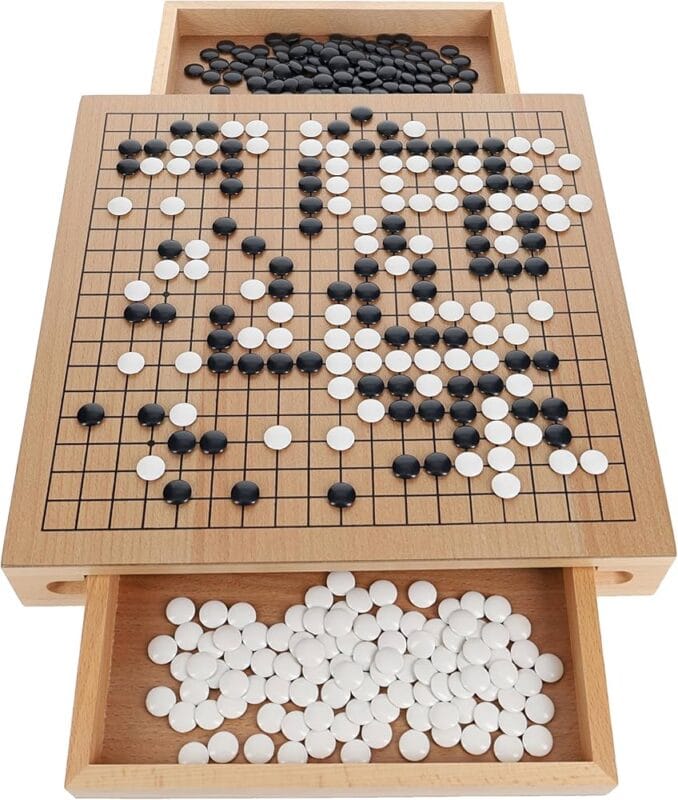
Go: How This Classic Strategy Board Game Builds Deep Thinking
Discover Go, the ancient abstract strategy board game. Learn its rules, history, skills developed, platforms, and beginner-friendly ways to play.
Board games are one of the oldest learning tools humans ever created. Long before schools used textbooks, people learned strategy, math, language, and social skills through structured play.
The history of board games goes back over 5,000 years. Ancient Egyptians played Senet, while players in China developed Go, a deep strategy game still studied today. Later, Chess spread across Europe and became a symbol of planning and foresight. However, modern titles expanded learning into economics, language, and cooperation, not just war strategy.
Board games teach by doing. You make decisions, see consequences, then adjust your strategy. Therefore, learning becomes active instead of passive.
They help you build:
Critical thinking and problem-solving
Math and financial literacy
Language and vocabulary skills
Memory and concentration
Social and communication abilities
In fact, educators often use tabletop games because they encourage discussion and reflection. You explain your reasoning out loud. That strengthens understanding.
Some well-known titles clearly connect play and learning. Monopoly introduces budgeting, investment, and risk. Scrabble strengthens spelling and vocabulary. Catan teaches resource management, negotiation, and planning.
Cooperative games changed things even more. Instead of competing, players work toward a shared goal. As a result, teamwork and communication become essential skills, not optional ones.
Board games offer advantages that screens struggle to replicate. You interact face-to-face. You read body language. You stay focused without notifications interrupting you.
Key benefits include:
Stronger social interaction
Hands-on engagement
Reduced screen fatigue
Clear turn-based structure
However, they also have limits. Setup takes time. You need physical space and other players present. Digital games, of course, offer convenience and solo play options.
Modern life pushes people toward fast, isolated entertainment. Board games slow things down in a good way. You think, talk, laugh, and solve problems together.
From a learning design perspective, they remain one of the most effective tools ever created. They combine challenge, feedback, and motivation in a natural loop. And when learning feels like play, people stick with it.
Discover Go, the ancient abstract strategy board game. Learn its rules, history, skills developed, platforms, and beginner-friendly ways to play.
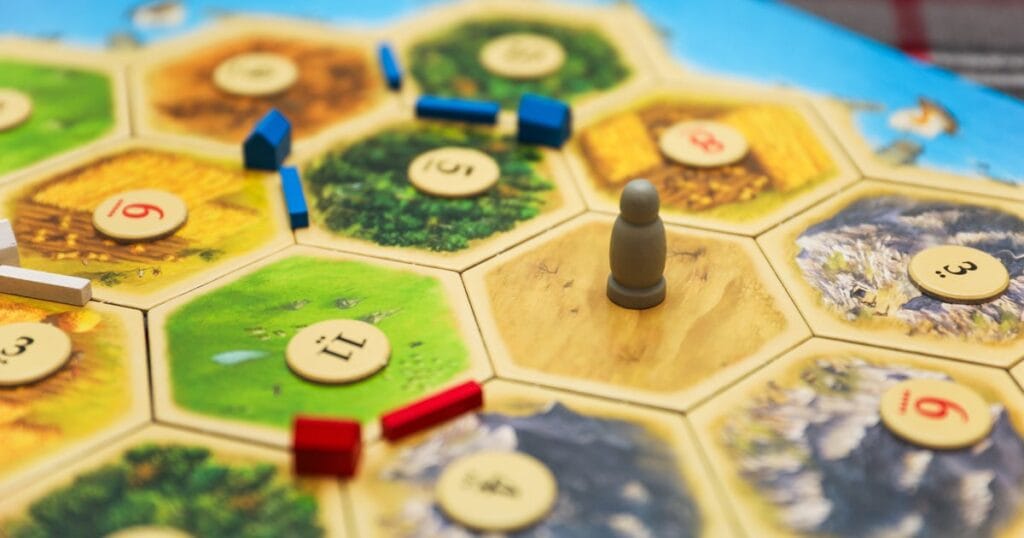
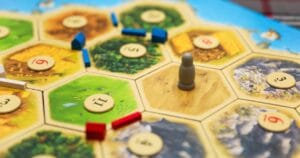
Discover Catan, the classic resource management strategy board game for ages 10+, with trading, expansion, key skills, platforms, and alternatives.
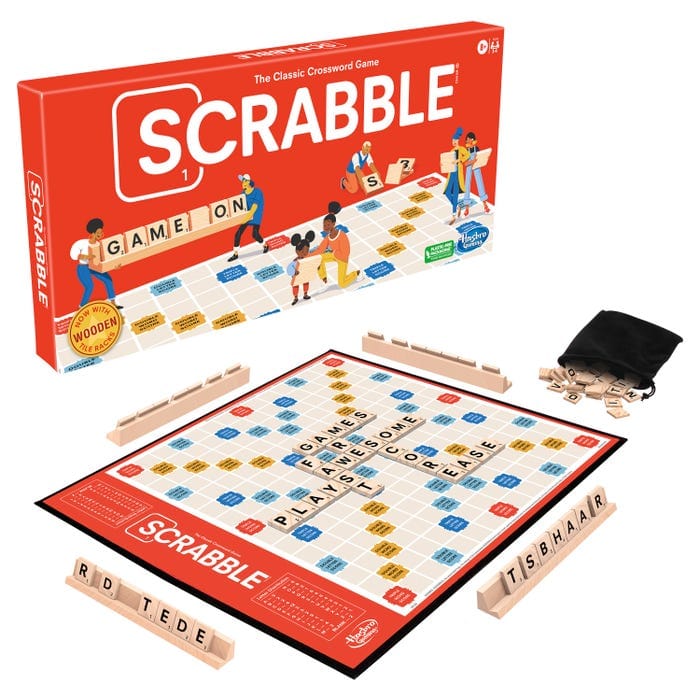
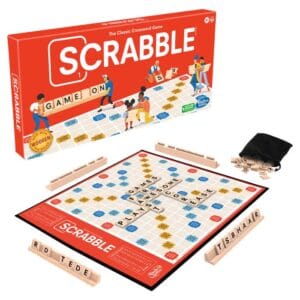
Scrabble is a classic word construction board game that builds vocabulary, reading, and strategy through tile-based play on a premium-square grid.

Discover Chess, its rules, history, skills, platforms, and alternatives. Learn how this classic strategy board game builds planning and decision-making.
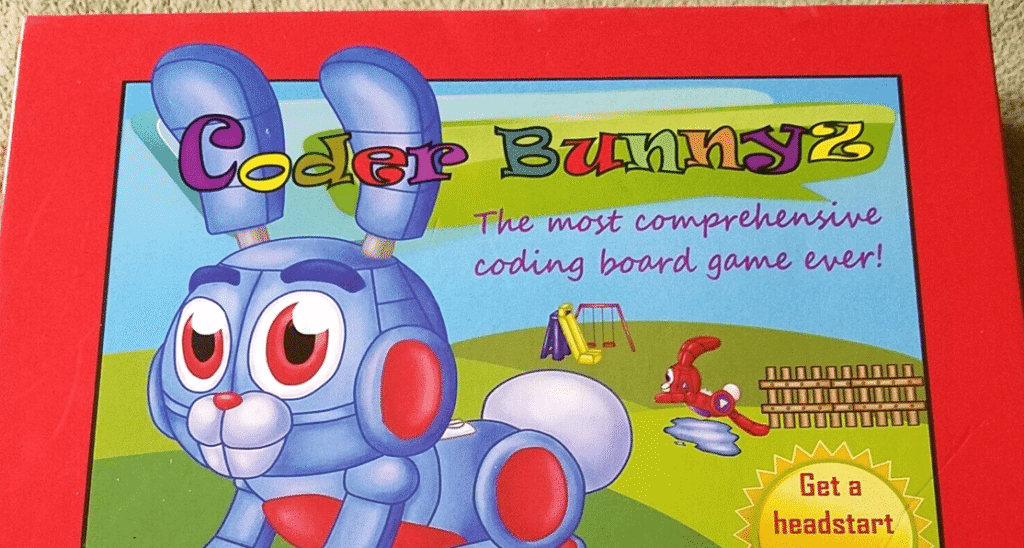
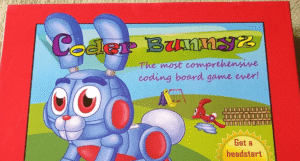
Coder Bunnyz is a board game teaching coding and AI concepts while enhancing problem-solving, strategic thinking, and mathematical reasoning skills.
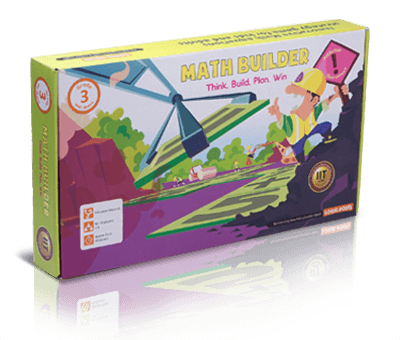
Discover Math Builder, the board game for building arithmetic equations that enhances mathematical reasoning, strategic thinking, teamwork, and decision-making.
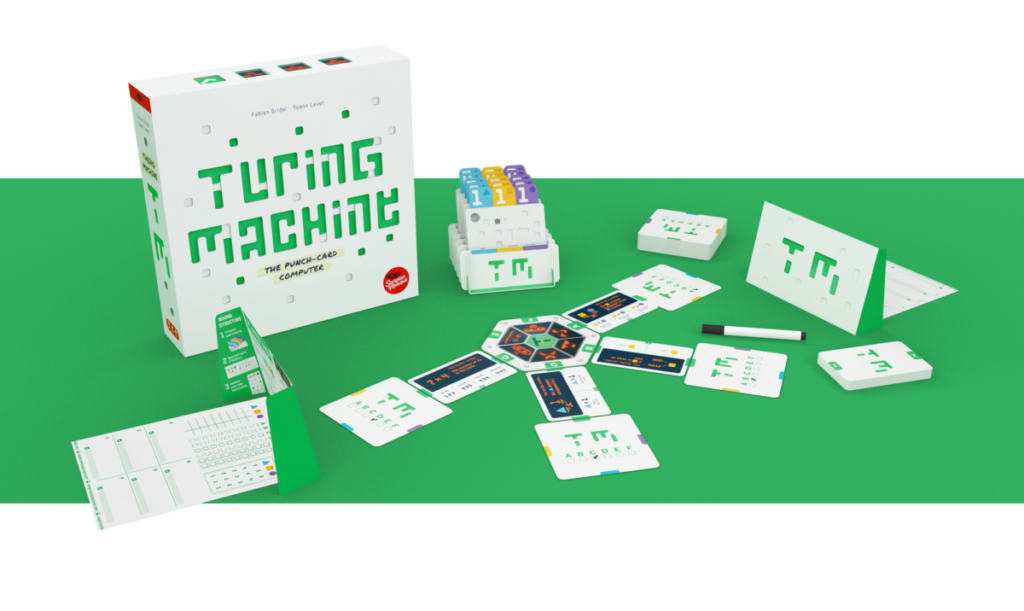
Explore Turing Machine, the deductive board game simulating a proto-computer that enhances reasoning, problem-solving, math skills, strategy, and focus.
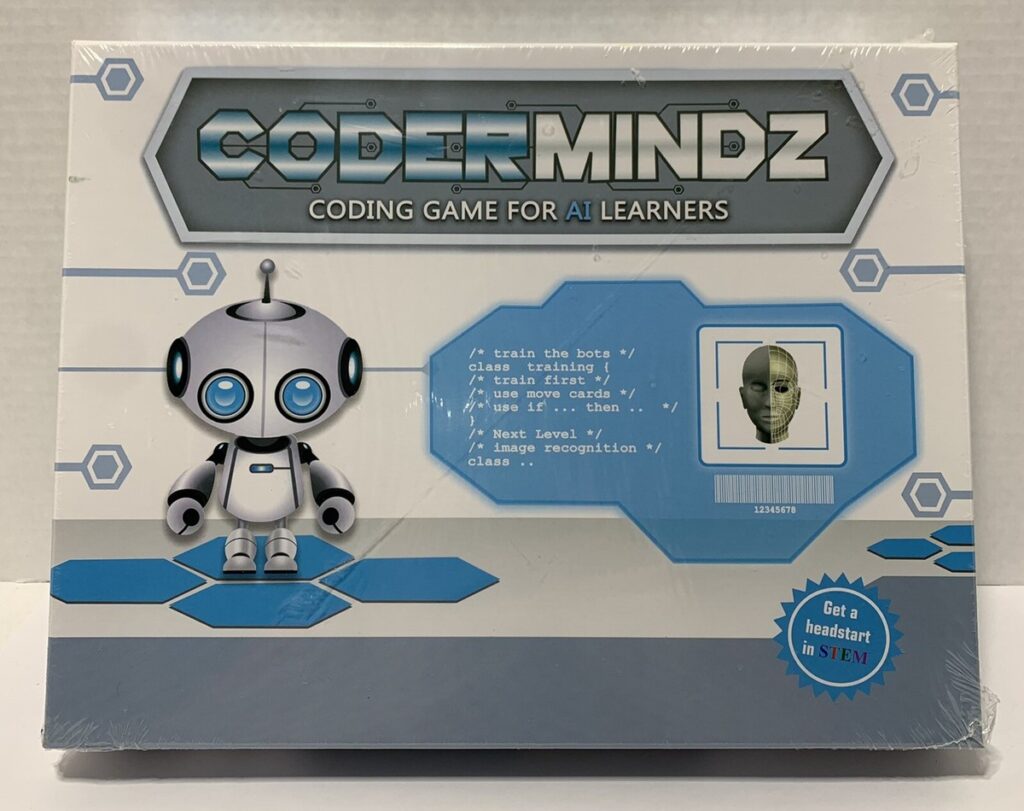
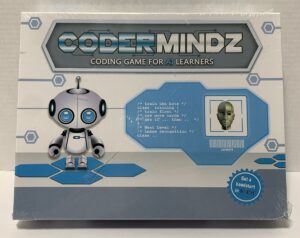
CoderMindz is a board game teaching coding and AI concepts that enhances problem-solving, deductive reasoning, planning, pattern recognition, and decision-making.
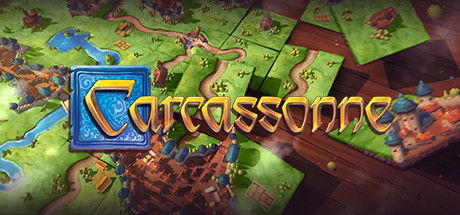
Discover Carcassonne, the tile-laying medieval landscape building game that enhances strategic thinking, planning, pattern recognition, and decision-making skills.
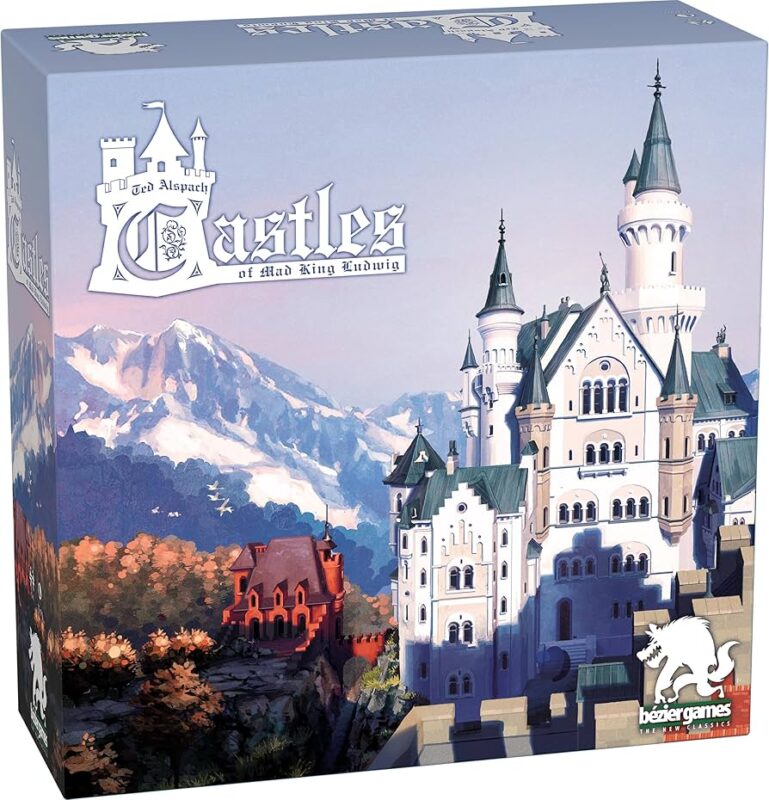
Explore The Castles of Mad King Ludwig, a board game about building extravagant castles that enhances strategic thinking, planning, math, and decision-making skills.
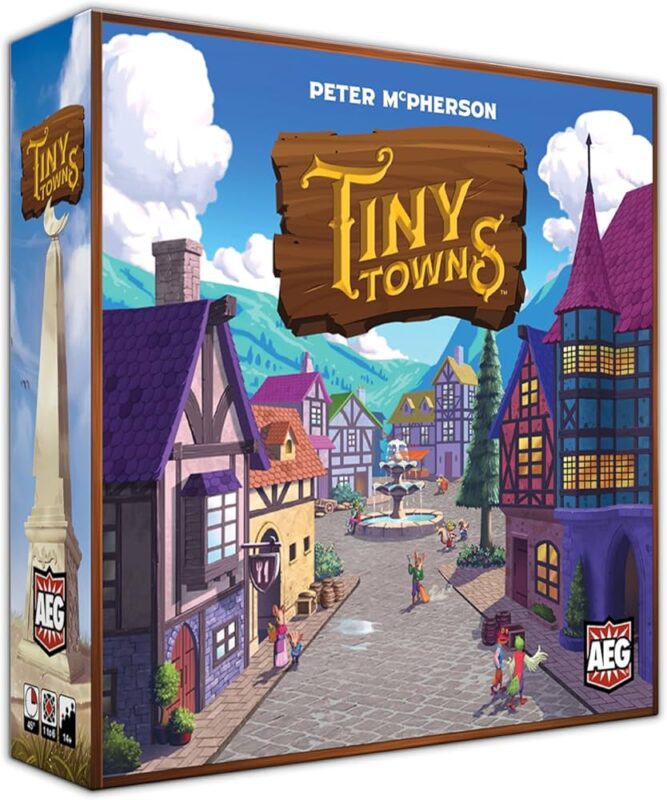
Discover Tiny Towns, a strategy board game of resource management that enhances planning, pattern recognition, problem-solving, and decision-making skills.
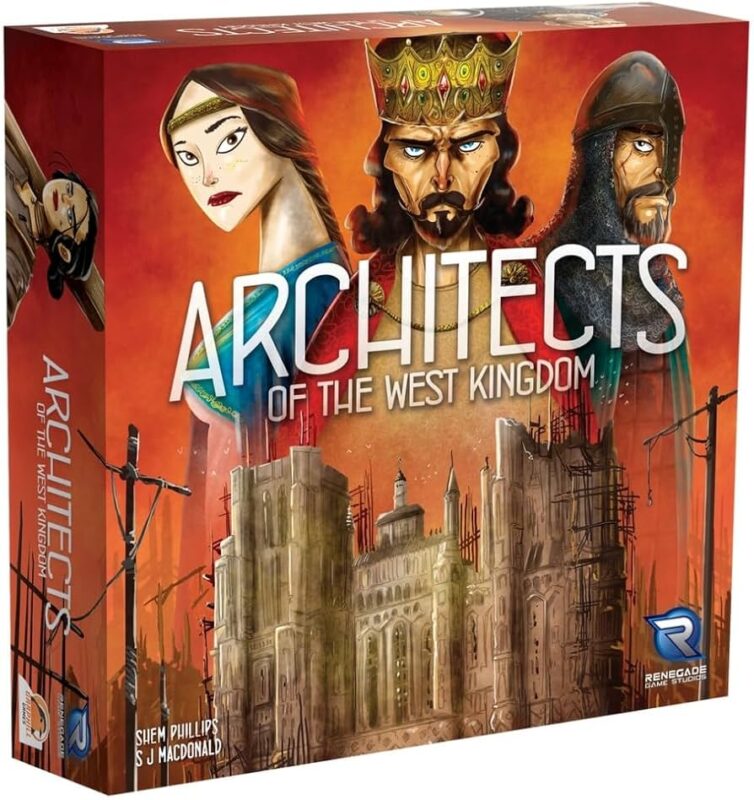
Discover Architects of the West Kingdom, a worker placement strategy board game that enhances strategic thinking, planning, decision-making, and problem-solving skills.
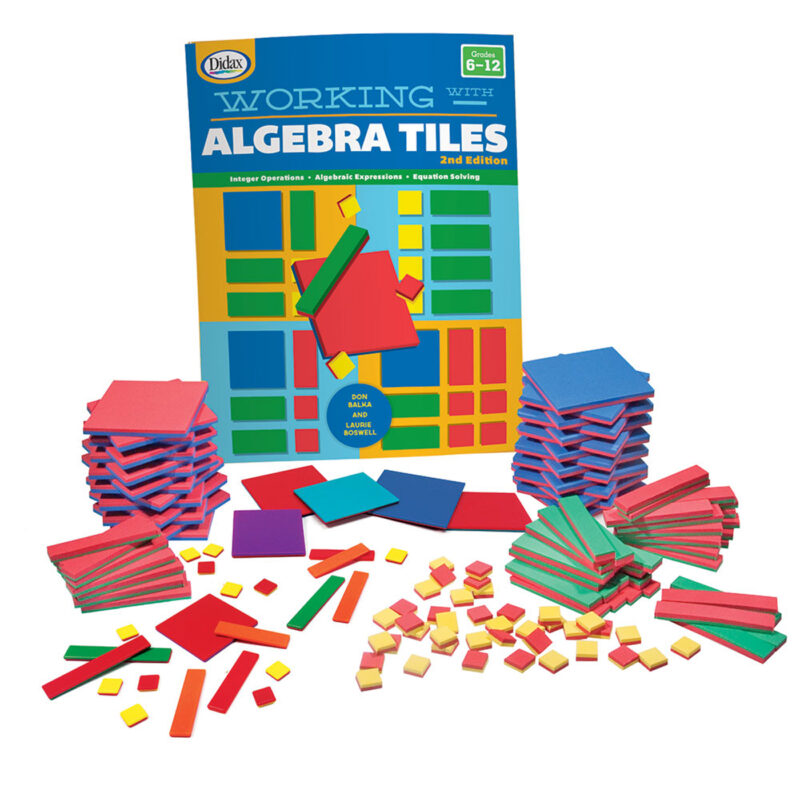
Discover Algebra Tiles, visual manipulatives that enhance mathematical reasoning, pattern recognition, and problem-solving in algebra education.
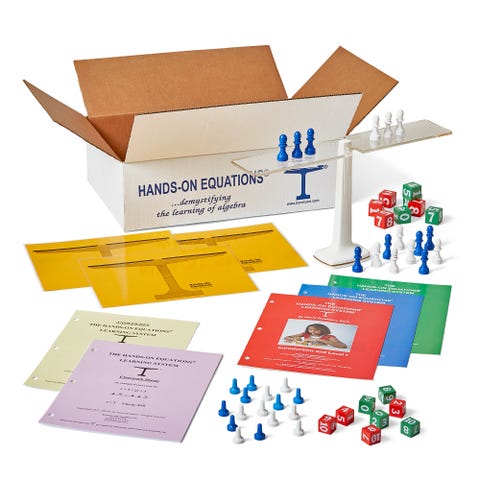
Hands-On Equations uses pawns and cubes on a balance scale to solve linear equations, enhancing mathematical reasoning, deductive reasoning, problem-solving, and pattern recognition.
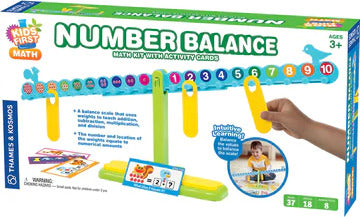
Balance Math Kit uses physical balance scales and weights to teach algebraic equality, enhancing mathematical reasoning, deductive reasoning, and problem-solving.
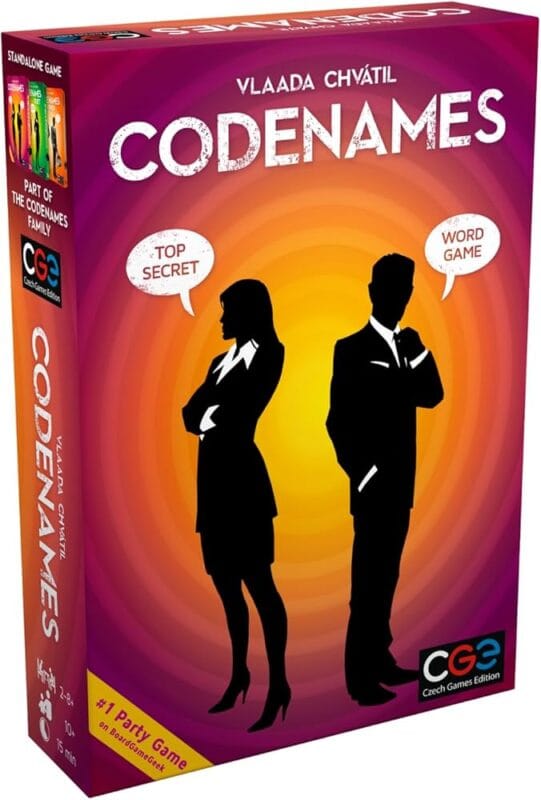
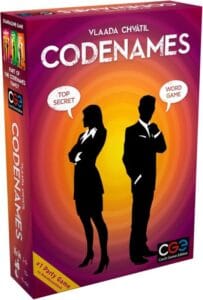
Discover Codenames, the word-based team deduction game that enhances communication, teamwork, and decision-making in a fun, engaging way.
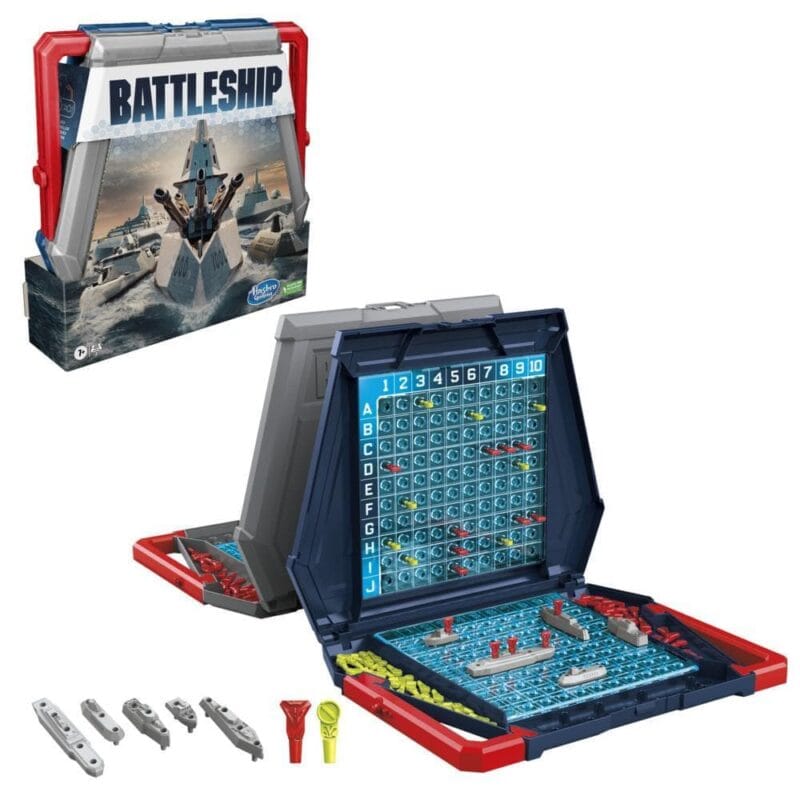
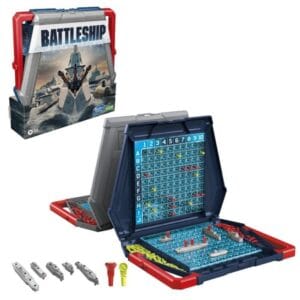
Discover Battleship, the classic turn-based guessing strategy game that enhances deductive reasoning, pattern recognition, planning, and decision-making skills.
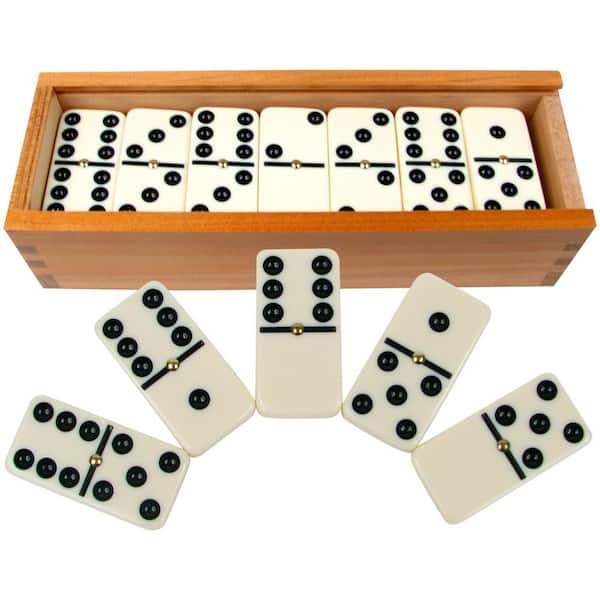
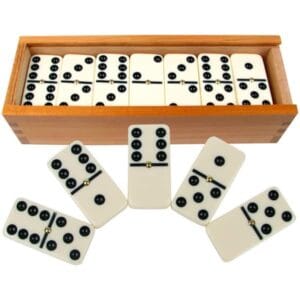
Discover Dominoes, the tile-based abstract strategy game that enhances pattern recognition, planning, strategic thinking, and decision-making skills.