

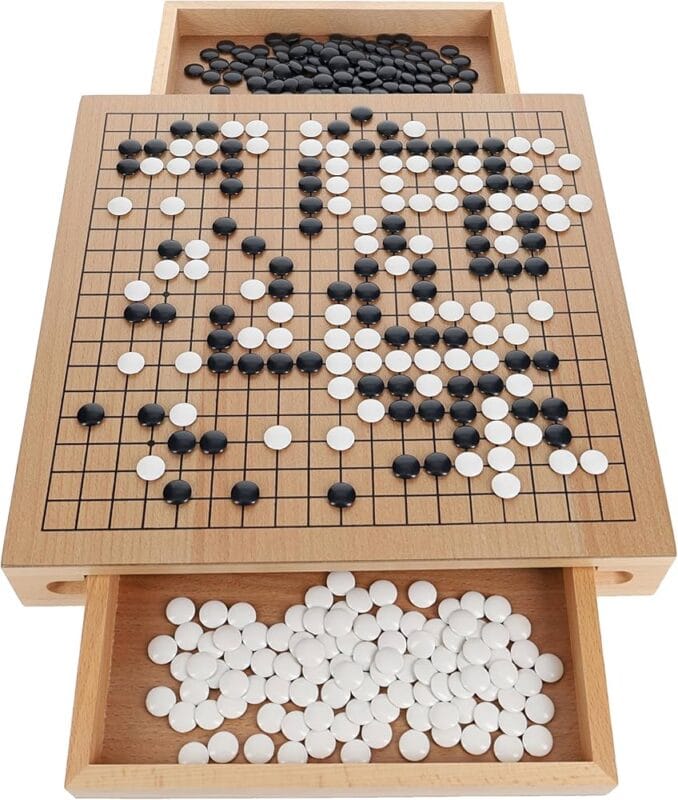
Go: How This Classic Strategy Board Game Builds Deep Thinking
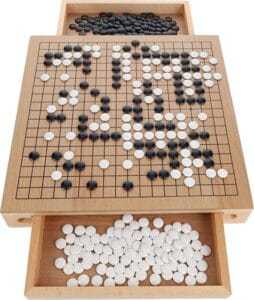
Discover Go, the ancient abstract strategy board game. Learn its rules, history, skills developed, platforms, and beginner-friendly ways to play.
Two player games sit right at the heart of what makes games special: shared experience. The below selection of games can be played by two players.
In fact, some of the most memorable gaming moments come from playing with or against one other person. Let’s look at where two player games started, how they evolved, and why they’re still so important.
Long before video games, two player games were already everywhere. Humans have always loved testing skills directly against each other, face to face.
Classic examples include:
These games worked because they were simple to learn but deep to master. As a result, they created tension, rivalry, cooperation, and respect — all without any technology.
When arcade machines and early consoles appeared, two player modes became a huge selling point. Of course, internet play didn’t exist yet, so playing together meant being in the same room.
Iconic early two player video games include:
Then, something important happened: games started designing specifically for interaction between two people, not just for individual challenge.
Two player games usually fall into two main categories. Even though they share the same structure, they create very different emotions.
These are about winning, outplaying, and adapting to another human mind:
Games like Tekken, FIFA, and Rocket League thrive because humans are unpredictable. Therefore, no match ever feels exactly the same.
Here, both players work toward a shared goal:
Famous examples include Portal 2 (co-op), Overcooked, and It Takes Two. In fact, these games often test communication and trust more than reflexes.
For many players, two player games mean couch co-op. Sitting next to someone, sharing a screen, and reacting together creates a special energy that online play can’t fully replace.
Memorable couch co-op games include:
Even though split-screen is less common today, it remains incredibly popular at parties, with families, and among friends.
As internet gaming became reliable, two player games expanded beyond the living room. However, the core idea stayed the same: one human vs another human, or two humans working together.
Online two player games include:
As a result, distance stopped being a barrier. You could now play meaningful two player games with friends — or rivals — anywhere in the world.
Two player games offer things no other format quite can:
Even though massive multiplayer games exist, playing with just one other person often feels more personal and intense. Therefore, two player games are especially powerful for friendships, couples, siblings, and parents playing with kids.
From an educational and cognitive perspective, two player games are incredibly rich. Because another human is involved, players must adapt in real time.
They often develop:
As a result, two player games are frequently used in learning, training, and team-building contexts.
Discover Go, the ancient abstract strategy board game. Learn its rules, history, skills developed, platforms, and beginner-friendly ways to play.
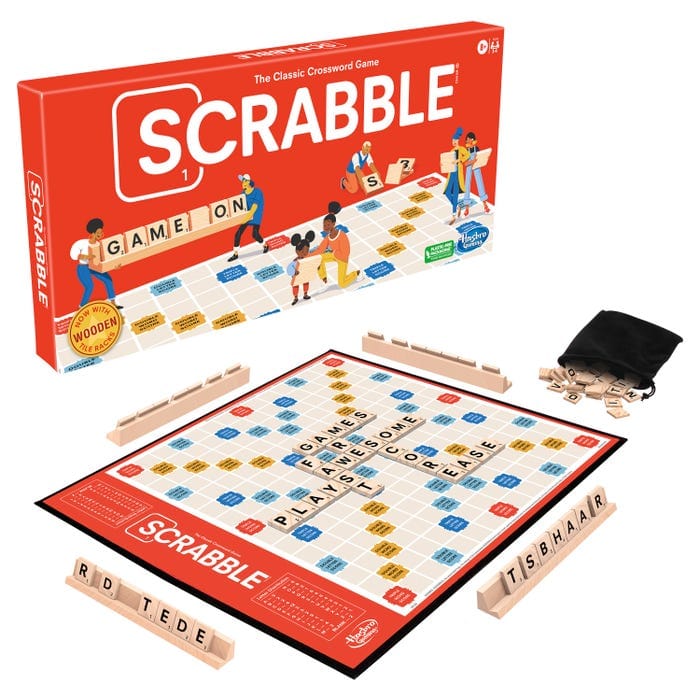
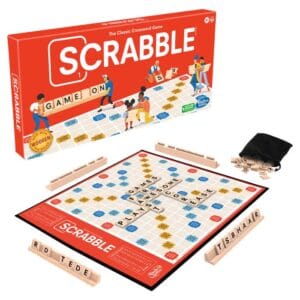
Scrabble is a classic word construction board game that builds vocabulary, reading, and strategy through tile-based play on a premium-square grid.

Discover Chess, its rules, history, skills, platforms, and alternatives. Learn how this classic strategy board game builds planning and decision-making.
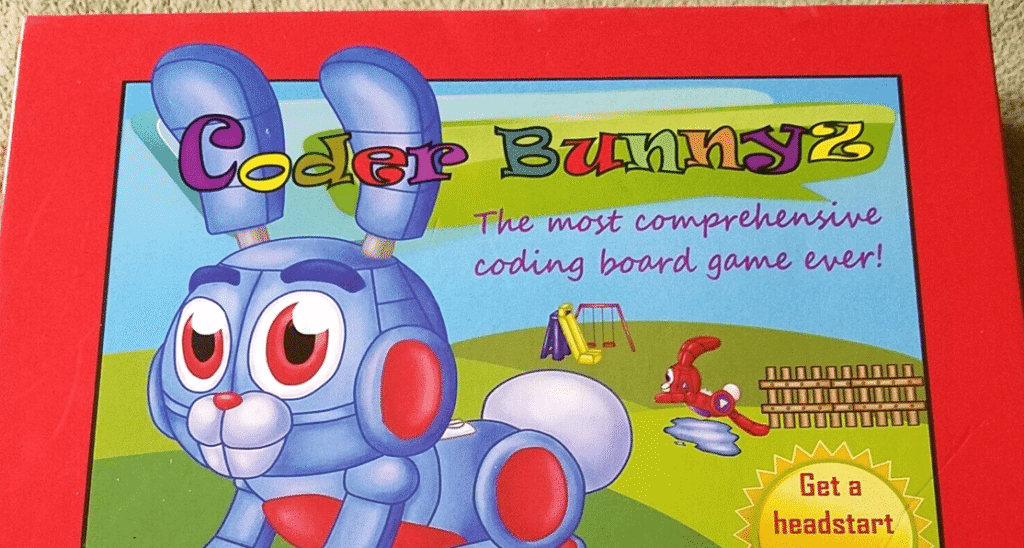
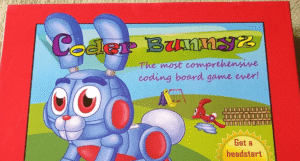
Coder Bunnyz is a board game teaching coding and AI concepts while enhancing problem-solving, strategic thinking, and mathematical reasoning skills.
Join GitHub Game Off, the annual open-source game competition that builds problem-solving, creativity, teamwork, and resilience skills.
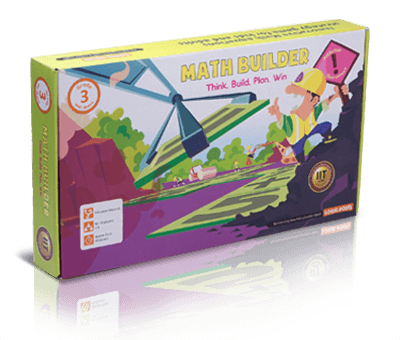
Discover Math Builder, the board game for building arithmetic equations that enhances mathematical reasoning, strategic thinking, teamwork, and decision-making.
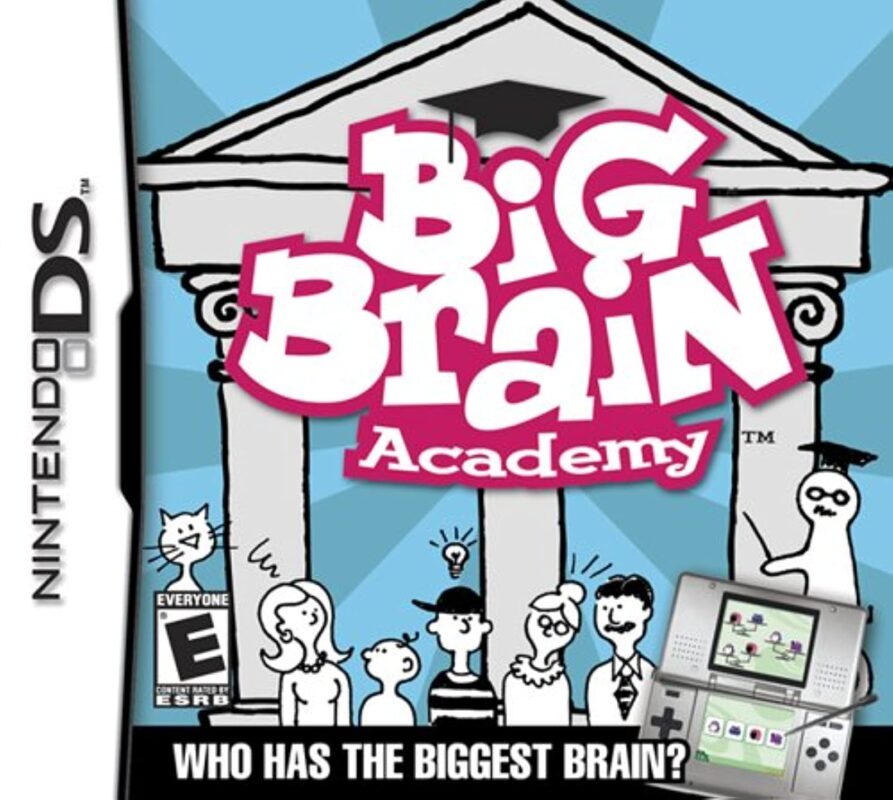
Discover Big Brain Academy, a game with diverse cognitive and arithmetic mini-games that enhance memory, focus, problem-solving, and multitasking skills.
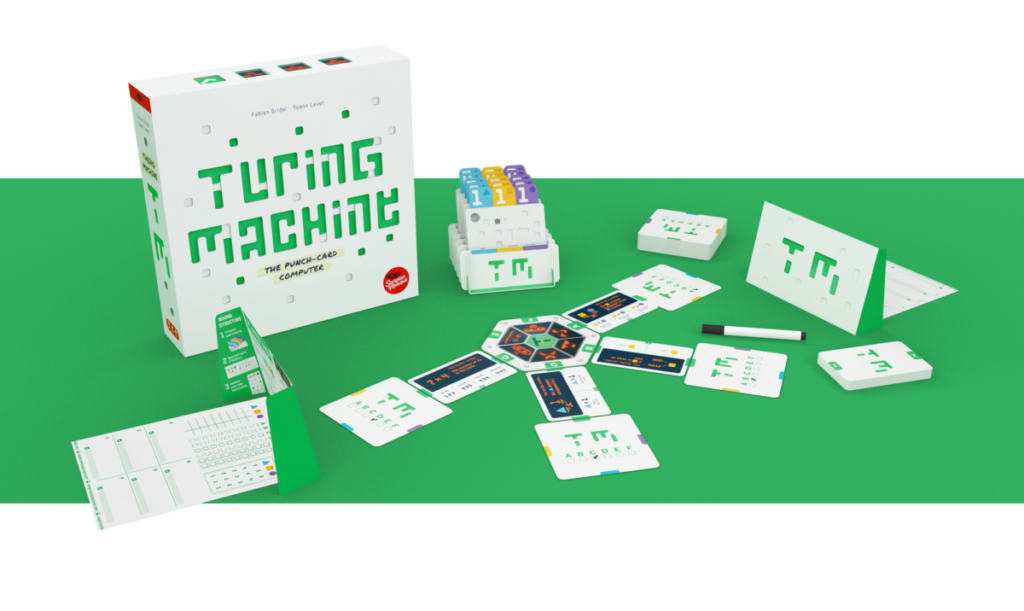
Explore Turing Machine, the deductive board game simulating a proto-computer that enhances reasoning, problem-solving, math skills, strategy, and focus.
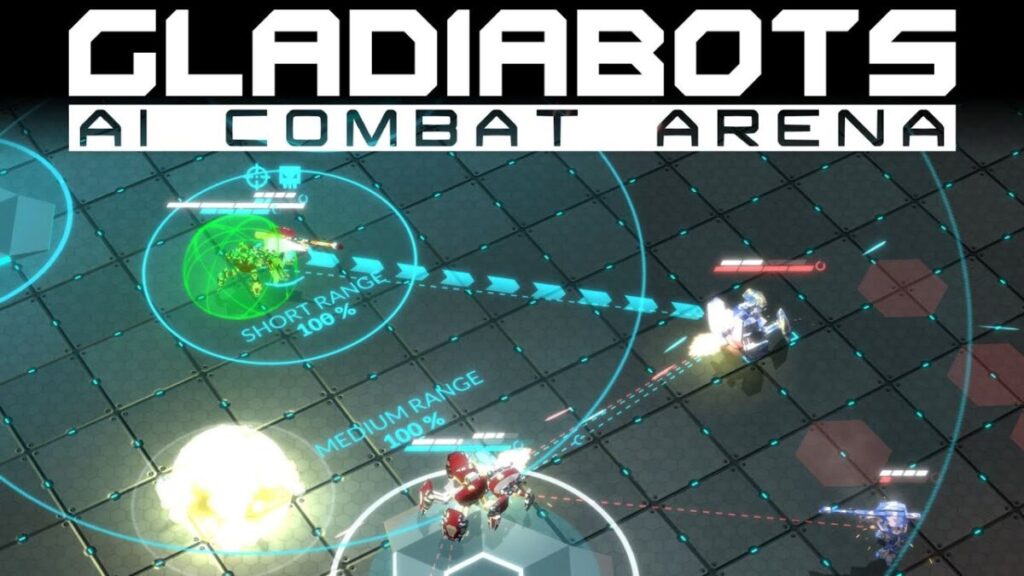
Gladiabots is a tactical robot squad AI programming game that develops problem-solving, planning, strategic thinking, adaptability, and pattern recognition skills.
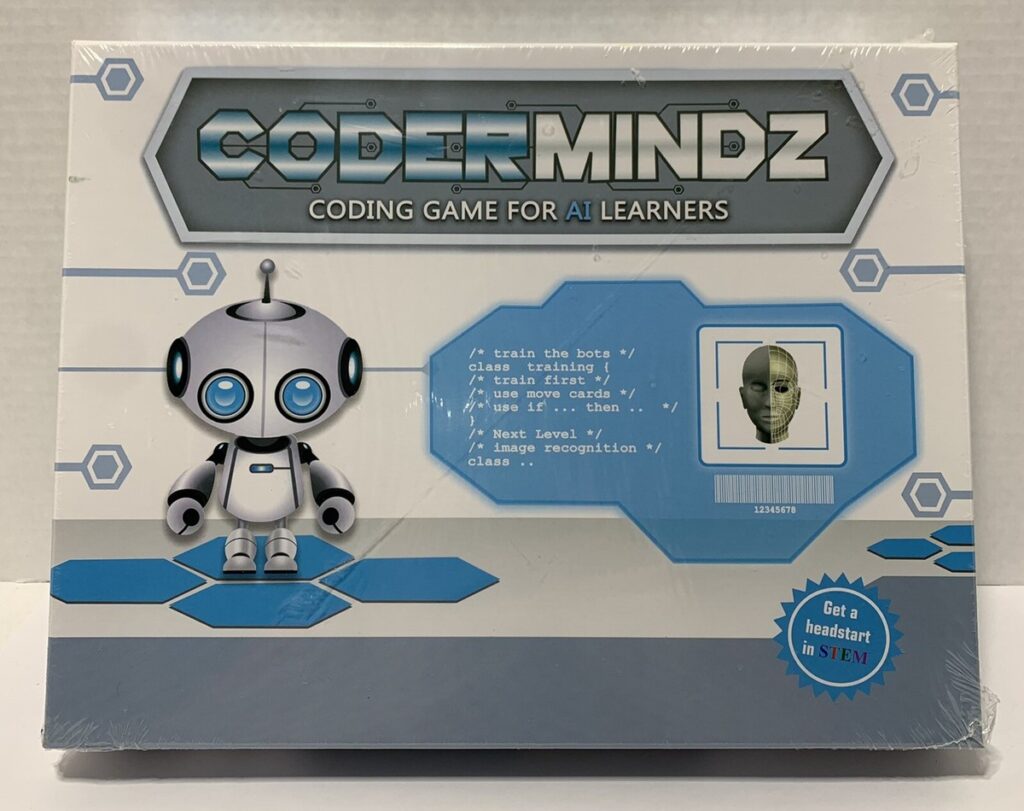
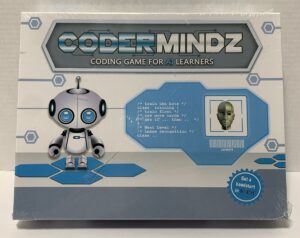
CoderMindz is a board game teaching coding and AI concepts that enhances problem-solving, deductive reasoning, planning, pattern recognition, and decision-making.
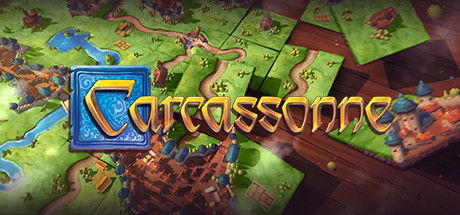
Discover Carcassonne, the tile-laying medieval landscape building game that enhances strategic thinking, planning, pattern recognition, and decision-making skills.
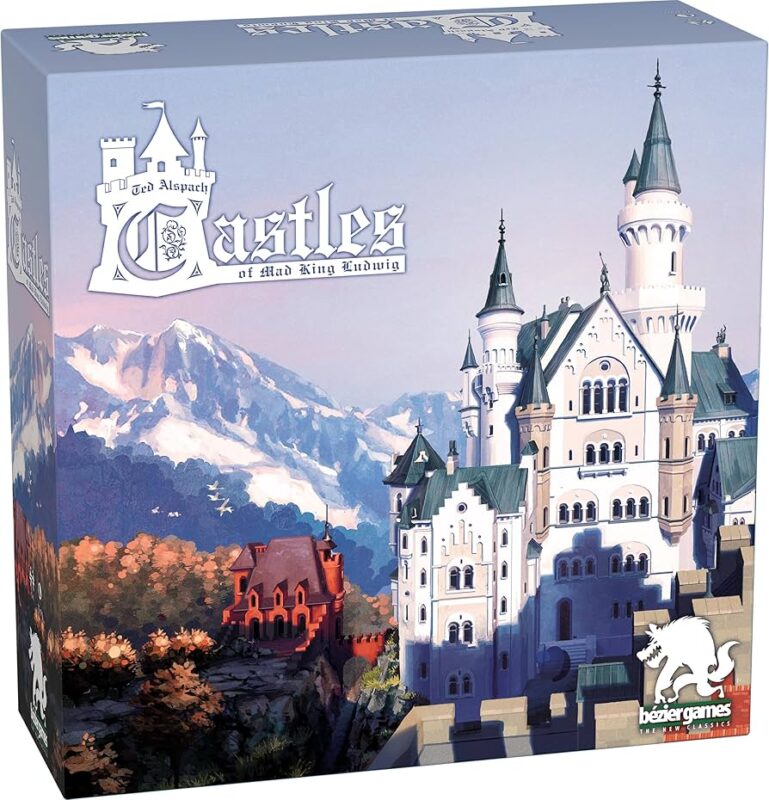
Explore The Castles of Mad King Ludwig, a board game about building extravagant castles that enhances strategic thinking, planning, math, and decision-making skills.
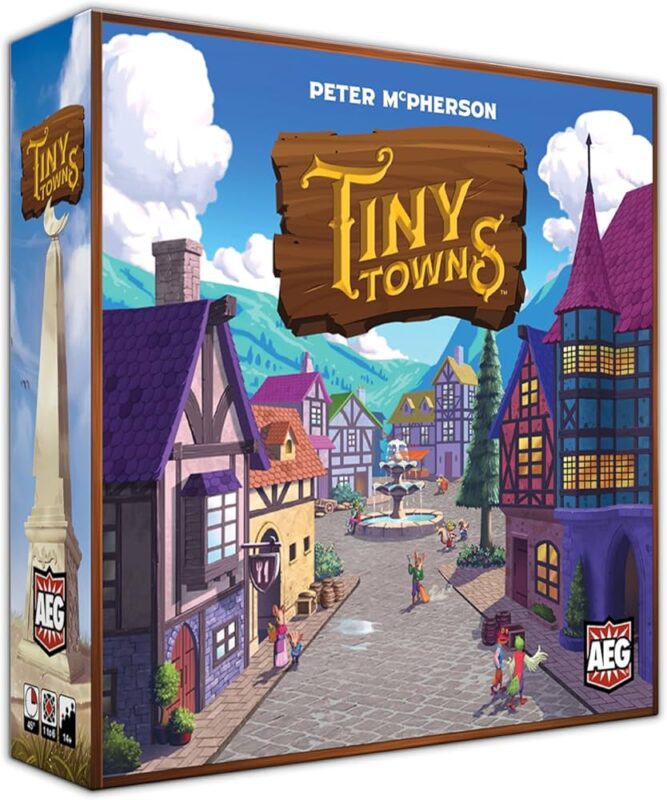
Discover Tiny Towns, a strategy board game of resource management that enhances planning, pattern recognition, problem-solving, and decision-making skills.
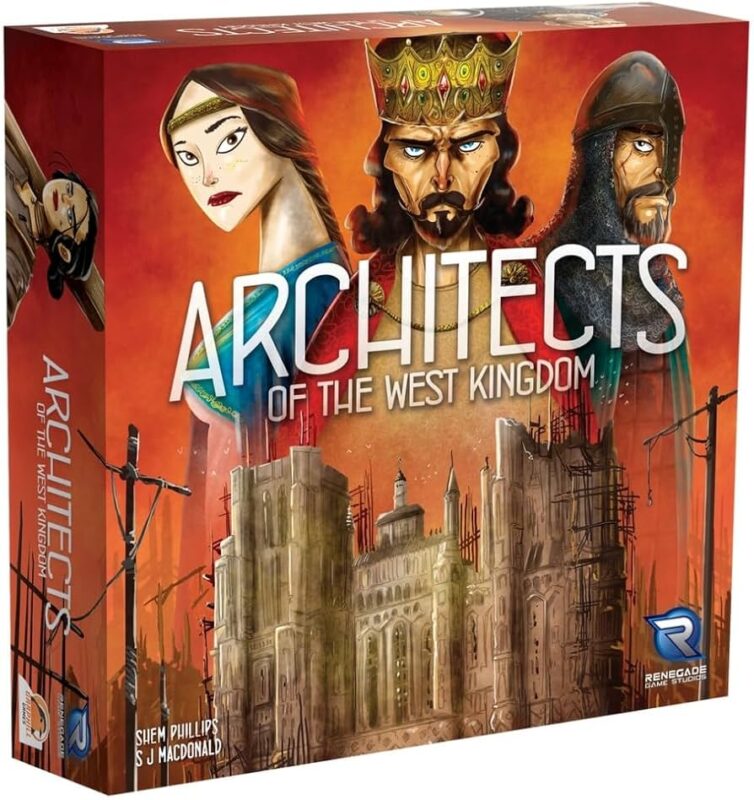
Discover Architects of the West Kingdom, a worker placement strategy board game that enhances strategic thinking, planning, decision-making, and problem-solving skills.
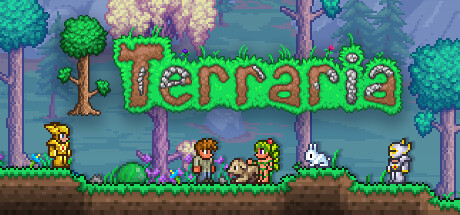
Discover Terraria, the sandbox survival crafting game that enhances problem-solving, creative thinking, planning, adaptability, and strategic skills.
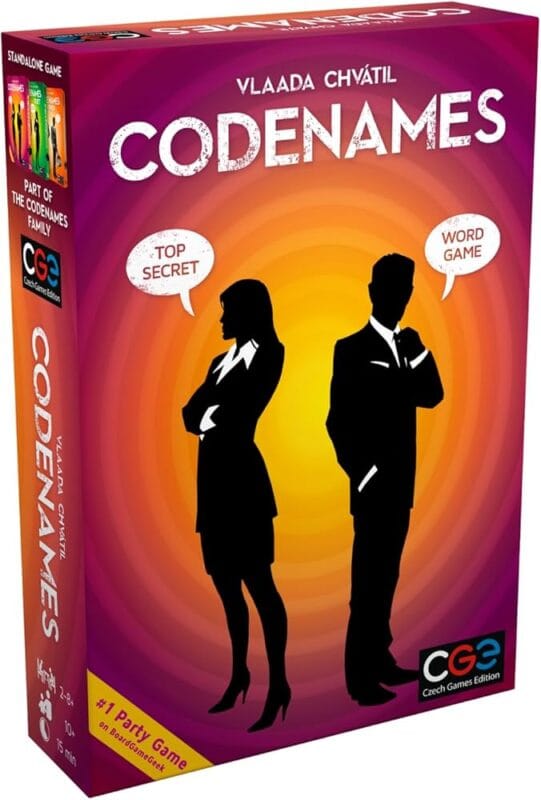
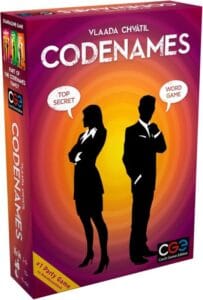
Discover Codenames, the word-based team deduction game that enhances communication, teamwork, and decision-making in a fun, engaging way.
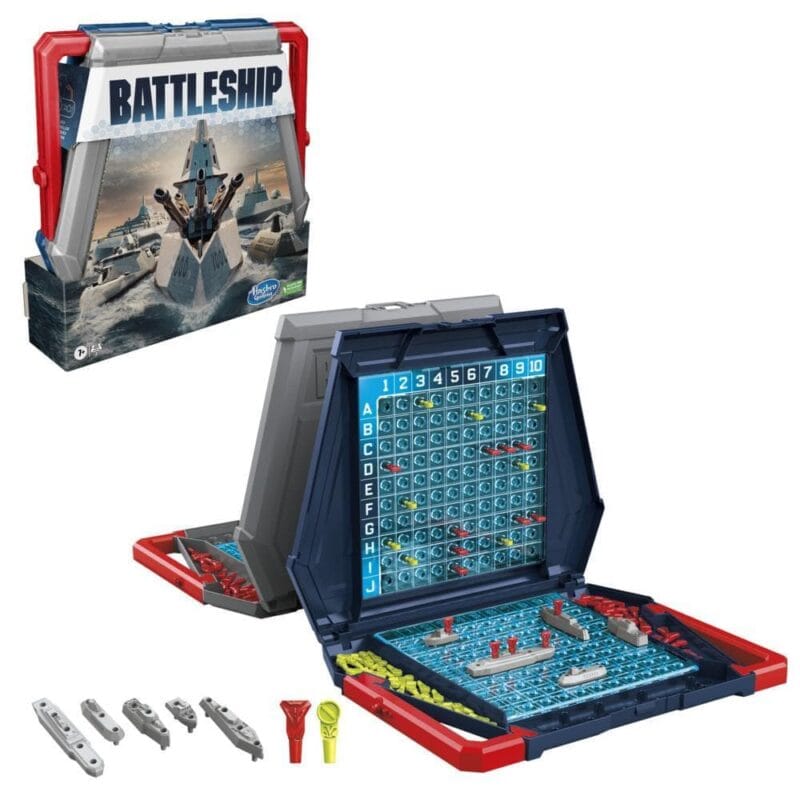
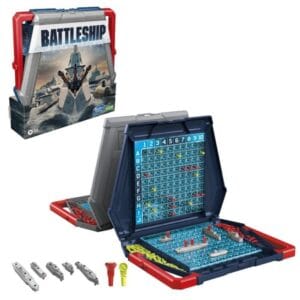
Discover Battleship, the classic turn-based guessing strategy game that enhances deductive reasoning, pattern recognition, planning, and decision-making skills.
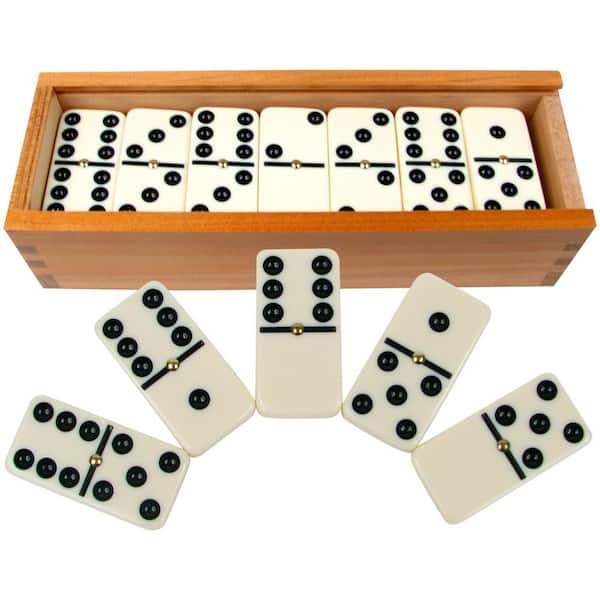
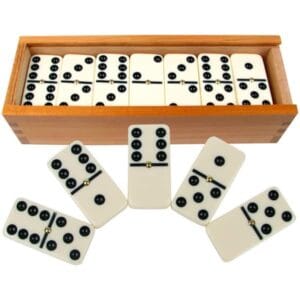
Discover Dominoes, the tile-based abstract strategy game that enhances pattern recognition, planning, strategic thinking, and decision-making skills.
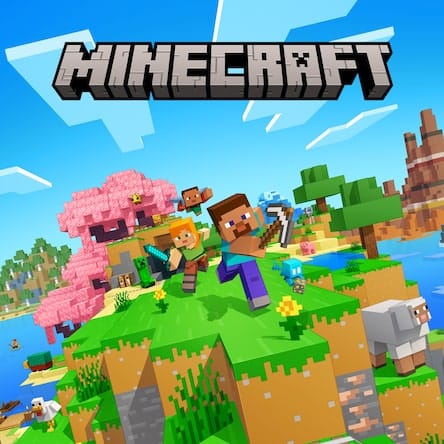
Explore Minecraft, the open-ended sandbox building game that enhances creative thinking, problem-solving, planning, and adaptability for players of all ages.