



Turing Machine: The Deductive Board Game Simulating a Proto-Computer
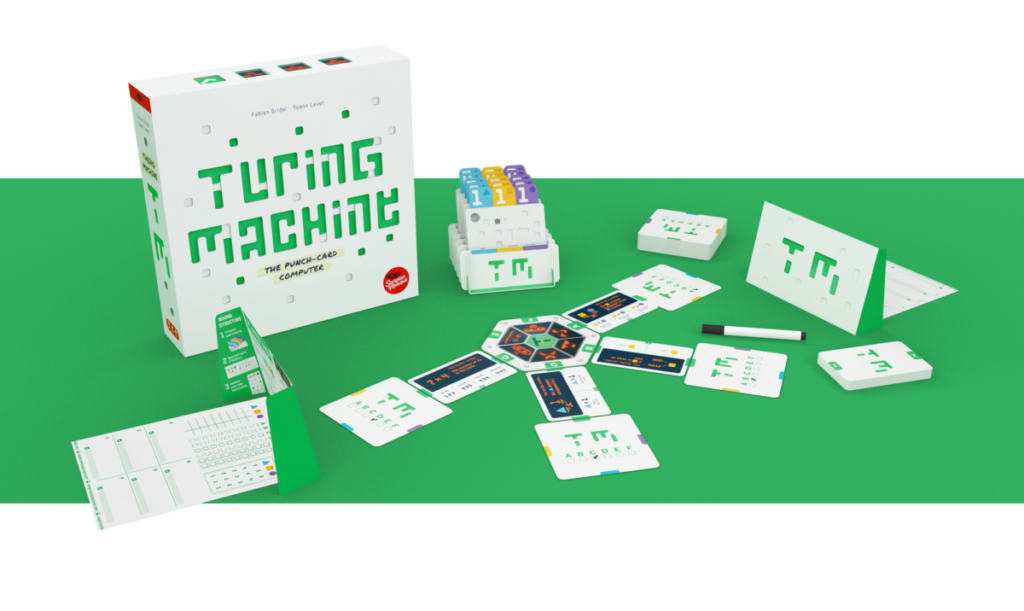
Explore Turing Machine, the deductive board game simulating a proto-computer that enhances reasoning, problem-solving, math skills, strategy, and focus.
Artificial Intelligence games move beyond predictable scripts to create living worlds that intelligently react and adapt to your unique playstyle in real-time.
Browse the AI games listed here with the filters:
The journey of AI in games has evolved from simple “if-this-then-that” logic into sophisticated systems that can teach, mentor, and adapt. While the early history of game AI was focused on competition, its role in education has shifted toward personalized mentorship and immersive simulation.
The history of AI in games predates the modern console, beginning as a way for researchers to test the limits of machine logic.
1950s: The Dawn of Logic. Early AI games weren’t for entertainment but for math. Christopher Strachey wrote a checkers program in 1951, and Arthur Samuel later developed a checkers AI that could “learn” by playing against itself—the first true instance of machine learning in a game.
1980s: The Personality Era. Games like Pac-Man (1980) introduced distinct AI “personalities.” Each ghost had a specific logic (e.g., Blinky follows the player, while Pinky tries to get ahead of them). This proved that AI could create complex, reactive behaviors.
1990s–2000s: Emergent Behavior. Simulation games like The Sims and Creatures used “bottom-up” AI. Instead of following a script, characters had “needs” (hunger, social) and made decisions based on their environment. This laid the groundwork for modern educational simulations.
Today, AI in educational games acts as a “hidden tutor” that works behind the scenes to optimize the student’s experience.
AI games solve the “Goldilocks” problem—making sure a task is neither too easy (boring) nor too hard (frustrating).
Dynamic Scaling: If a student struggles with a math problem in a game like DreamBox, the AI identifies the specific logic gap and adjusts the next challenge to reinforce that exact concept.
Individual Pacing: Unlike a traditional classroom, AI games allow students to master a skill at their own speed before moving on.
Some of the most effective educational “games” are actually tools that teach students how AI works by letting them play with it.
Google’s Quick, Draw!: Uses a neural network to guess what you’re drawing, teaching students about pattern recognition.
Teachable Machine: A game-like interface where students “train” an AI to recognize their own gestures or voice, providing a hands-on lesson in data sets and bias.
AI allows for “Living Simulations” where students can experiment with complex systems without real-world consequences.
Moral Machine: A platform that uses game-like scenarios to teach ethics, asking students to program the logic for self-driving cars in “no-win” situations.
Scientific Discovery: Games like Labster use AI-driven characters to guide students through virtual chemistry or biology experiments, providing instant feedback if a student makes a mistake.
In a standard game, you just “lose.” In an AI educational game, the system analyzes why you lost.
Diagnostic Reports: Modern AI platforms provide teachers with data on exactly where a student is tripping up (e.g., “Student A understands multiplication but struggles when 0 is involved”).
Scaffolding: The AI can provide contextual hints—giving just enough information to help the student solve the problem themselves rather than just handing over the answer.
Engagement: Transforms “passive” learning into “active” problem-solving.
Scalability: Allows one teacher to effectively provide “one-on-one” level attention to 30+ students at once.
Retention: Students are more likely to remember concepts they “experienced” in a reactive game environment than those they read in a textbook.
Explore Turing Machine, the deductive board game simulating a proto-computer that enhances reasoning, problem-solving, math skills, strategy, and focus.
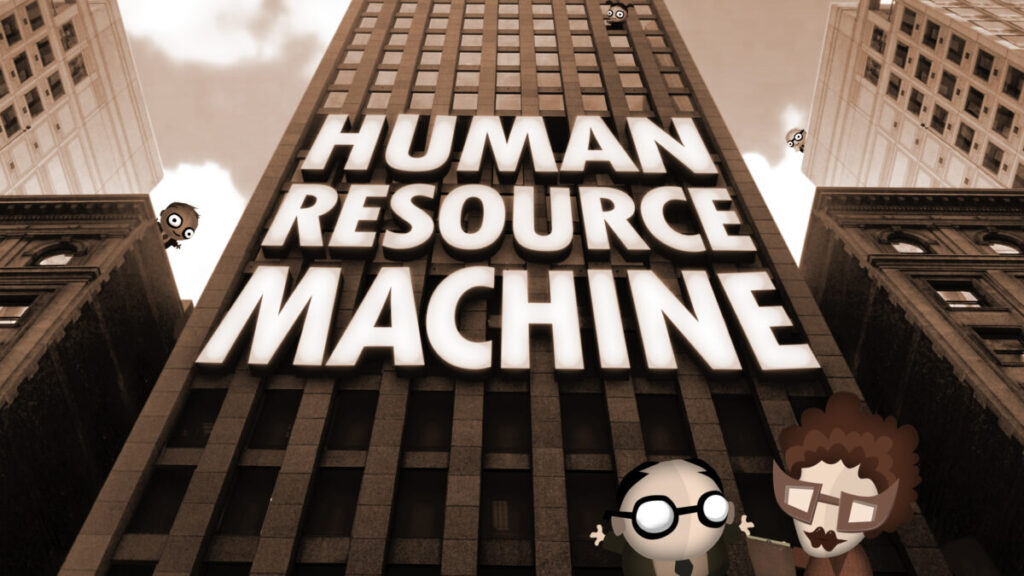
Discover Human Resource Machine, a puzzle game using assembly-like programming logic to boost problem-solving, planning, focus, reasoning, and strategic thinking.
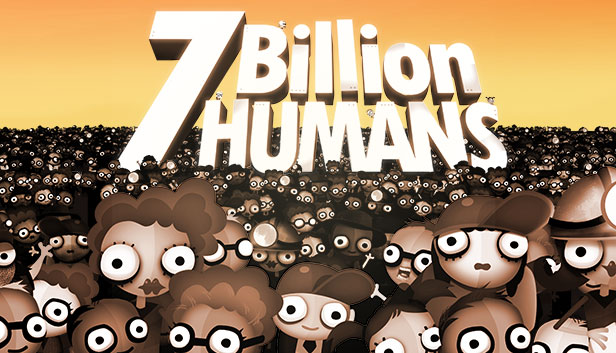
Discover 7 Billion Humans, a puzzle game automating worker swarms with logic to boost problem-solving, planning, focus, strategic thinking, and multitasking.
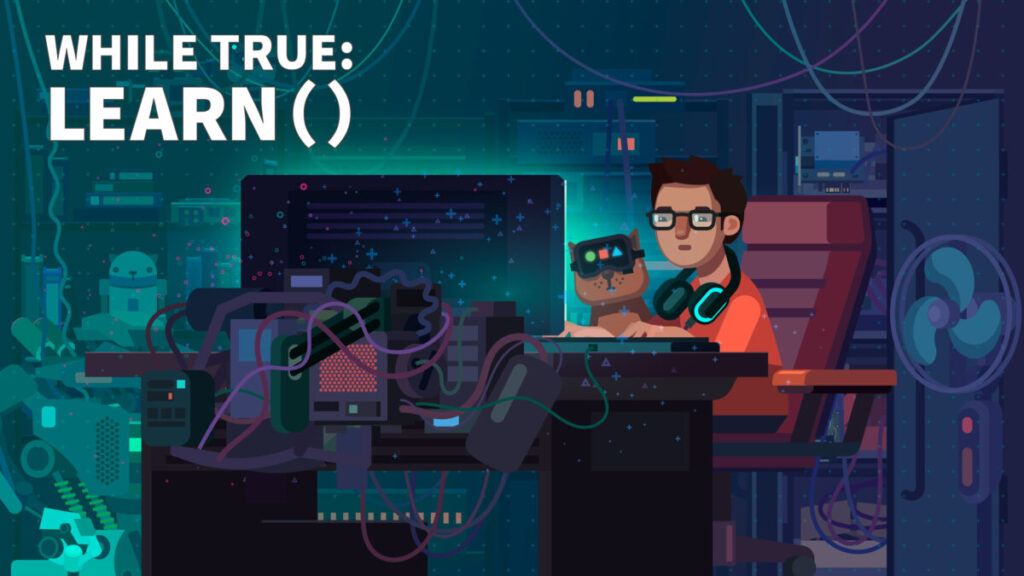
Discover While True: learn(), a puzzle game about machine learning and data science that enhances problem-solving, pattern recognition, and strategic thinking skills.
Discover Google DeepMind Lab, a 3D environment for AI research that enhances problem-solving, strategic thinking, adaptability, pattern recognition, and decision-making.
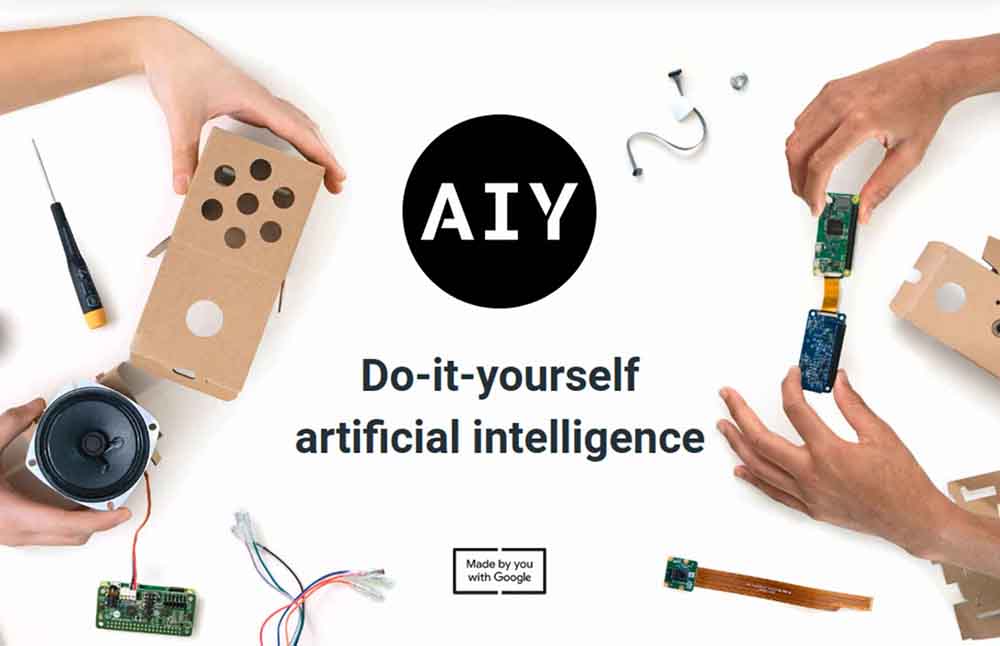
Discover Google AIY Projects, DIY kits that build AI-powered devices enhancing problem-solving, creative thinking, and more. Learn how to play and their benefits.
Explore Screeps, the MMO RTS game for programming colony logic that enhances problem-solving, planning, strategic thinking, multitasking, and adaptability.
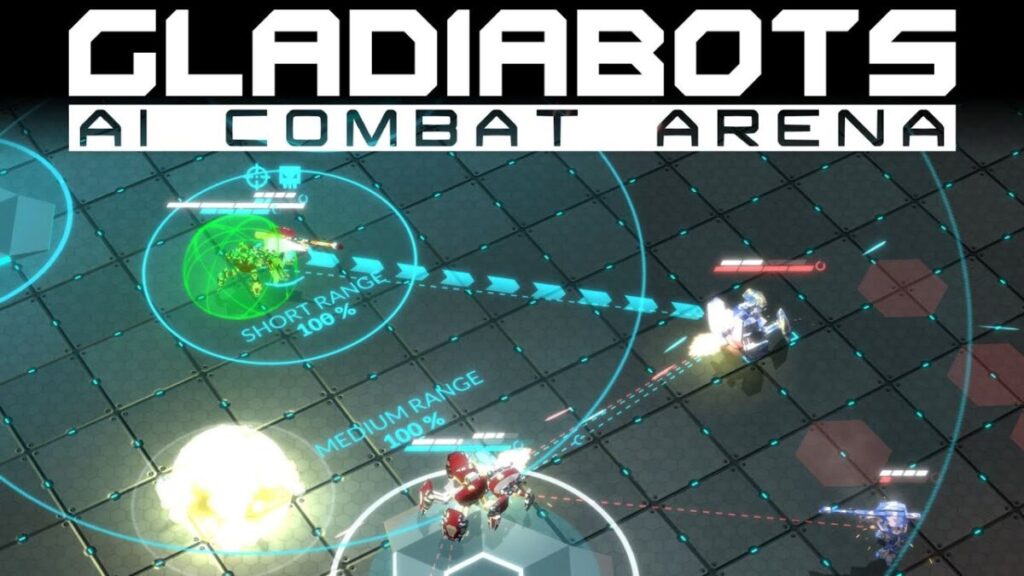
Gladiabots is a tactical robot squad AI programming game that develops problem-solving, planning, strategic thinking, adaptability, and pattern recognition skills.
Explore EXAPUNKS, a hacking game using parallel assembly programming that enhances problem-solving, planning, deductive reasoning, focus, and strategic thinking.
Explore Turing Complete, an educational game about computer architecture and logic that enhances problem-solving, reasoning, planning, and focus skills.
Discover Shenzhen I/O, the electronics engineering and assembly programming game that enhances problem-solving, planning, reasoning, and focus skills.
Explore OpenAI Gym, a toolkit for developing reinforcement learning agents that enhances problem-solving, pattern recognition, and decision-making skills.

Explore Kaggle, the data science competition and learning platform that enhances problem-solving, pattern recognition, mathematical reasoning, and resilience.
Teachable Machine is a free web tool for training machine learning models that enhances pattern recognition, focus, reasoning, creativity, and decision-making.
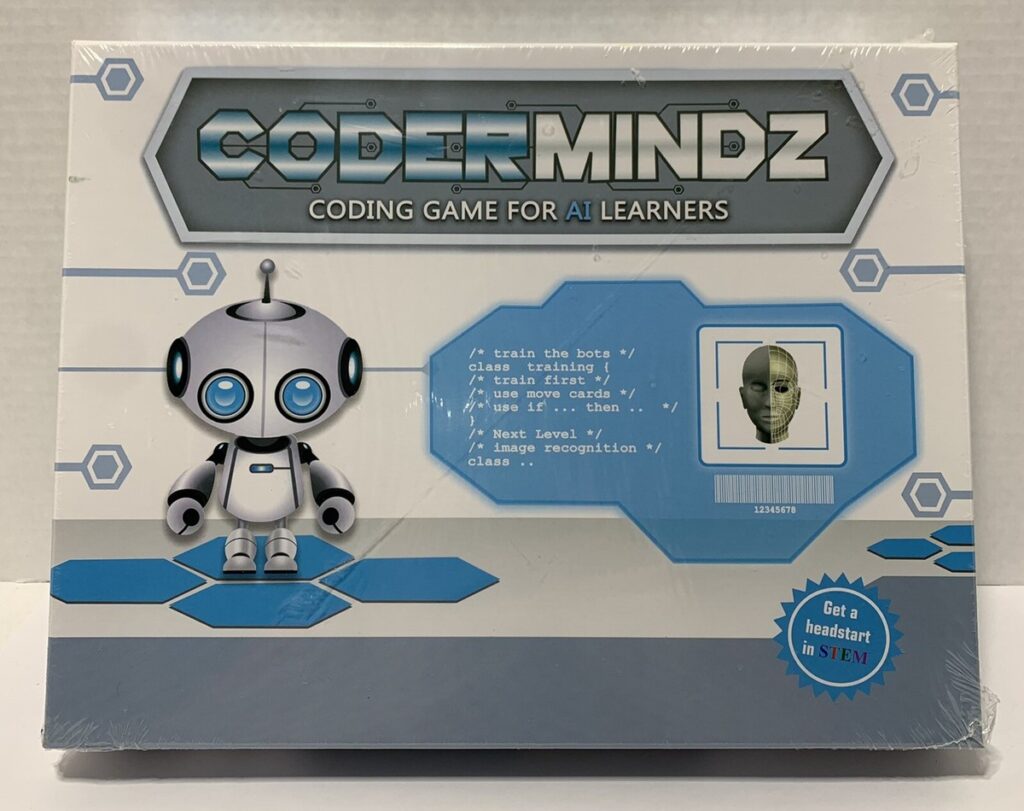
CoderMindz is a board game teaching coding and AI concepts that enhances problem-solving, deductive reasoning, planning, pattern recognition, and decision-making.
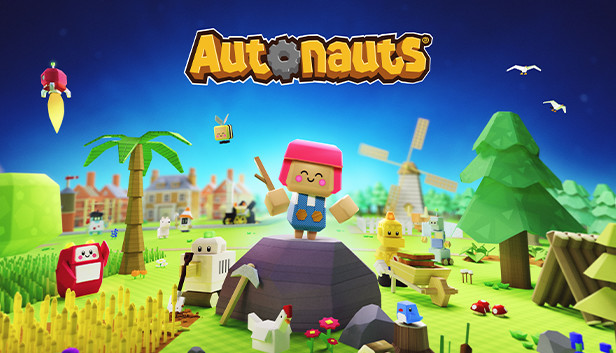
Explore Autonauts, a colony building and automation game with robot programming that enhances problem-solving, planning, and strategic thinking skills.
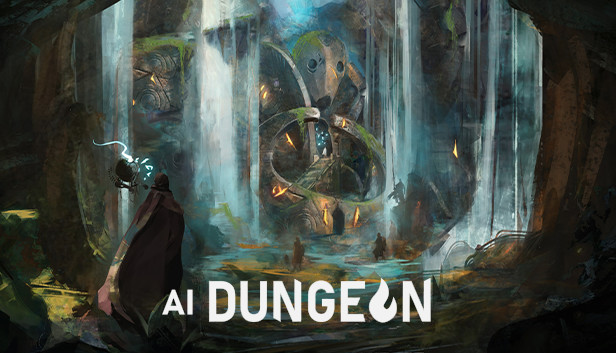
Discover AI Dungeon, the AI-powered text adventure with infinite narratives that enhances storytelling, creativity, reading comprehension, vocabulary, and decision-making.