




Algebra Touch: The Engaging Algebra Manipulation Puzzle Game
Discover Algebra Touch, an algebra manipulation puzzle that enhances mathematical reasoning, problem-solving, deductive reasoning, and pattern recognition.
The below games can be played by one player.
Even though multiplayer games dominate Twitch and esports, single player games are still some of the most loved, most sold, and most critically acclaimed games ever made. Let’s take a quick journey through where they started, how they evolved, and why they still matter today.
Before computers were common, single player games already existed in physical form. In fact, many classic games were essentially about playing against a system, not another human.
Examples include:
The challenge didn’t come from another person, but from rules, randomness, and mastery. Even then, the appeal was clear: focus, immersion, and self-improvement.
As a result, when computers arrived, single player games felt like a natural evolution rather than a radical invention.
When home computers and consoles became popular, single player experiences dominated by default. Internet play was rare or nonexistent, so developers focused on crafting challenges that felt fair, engaging, and replayable.
Some early classics include:
These games proved something important: you don’t need other players to create tension, emotion, or excitement. In fact, playing alone often made the experience more intense.
Of course, multiplayer games brought new forms of fun: competition, cooperation, and social interaction. However, single player games serve a very different purpose.
Single player games are great when you want:
Therefore, rather than replacing single player games, multiplayer simply expanded what games could be. The two formats coexist, and most players enjoy both depending on mood and context.
Single player games remain popular for several key reasons:
Even though live-service games aim to keep players forever, many people still appreciate games that feel complete and intentional. In fact, finishing a great single player game can feel like finishing a good book or movie.
Interestingly, single player games are also powerful tools for learning and skill development. Because they remove social pressure, players can experiment, fail, and improve safely.
They often develop:
Therefore, single player games aren’t just entertainment. They can also be meaningful cognitive experiences when designed well.

Discover Algebra Touch, an algebra manipulation puzzle that enhances mathematical reasoning, problem-solving, deductive reasoning, and pattern recognition.

Explore the geography detective adventure Where in the World Is Carmen Sandiego? that enhances problem-solving, deductive reasoning, reading, decision-making, and memory.
SpaceChem is an industrial programming puzzle game enhancing problem-solving, planning, reasoning, strategic thinking, and adaptability skills.
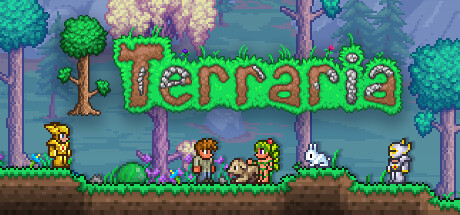
Discover Terraria, the sandbox survival crafting game that enhances problem-solving, creative thinking, planning, adaptability, and strategic skills.
Discover DreamBox Math, the adaptive math learning game that enhances mathematical reasoning, problem-solving, pattern recognition, and decision-making skills.
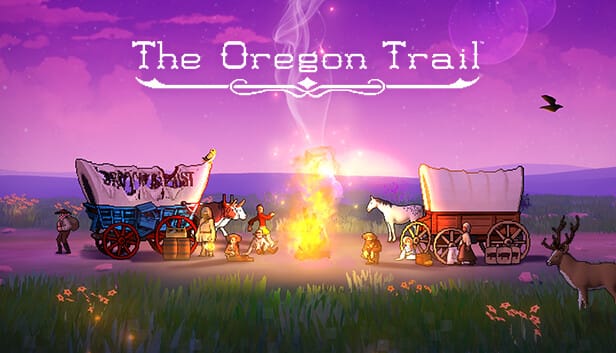
Explore The Oregon Trail, the historical simulation adventure game enhancing decision-making, planning, resilience, problem-solving, and adaptability skills.
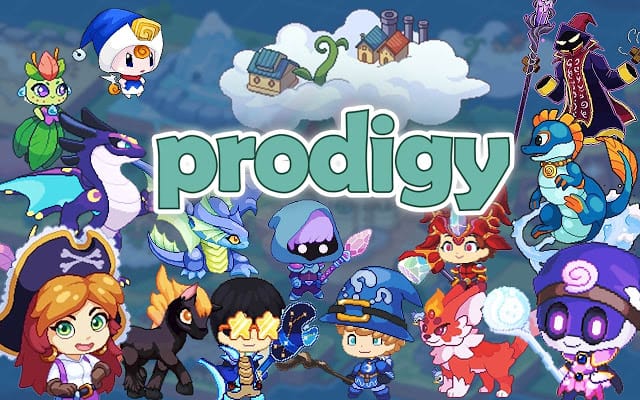
Discover Prodigy Math, the curriculum-aligned math RPG that boosts reasoning, problem-solving, focus, decision-making, and resilience for kids ages 6-14.

DragonBox Algebra is a puzzle-based algebra learning game that enhances mathematical reasoning, problem-solving, pattern recognition, planning, and foresight.
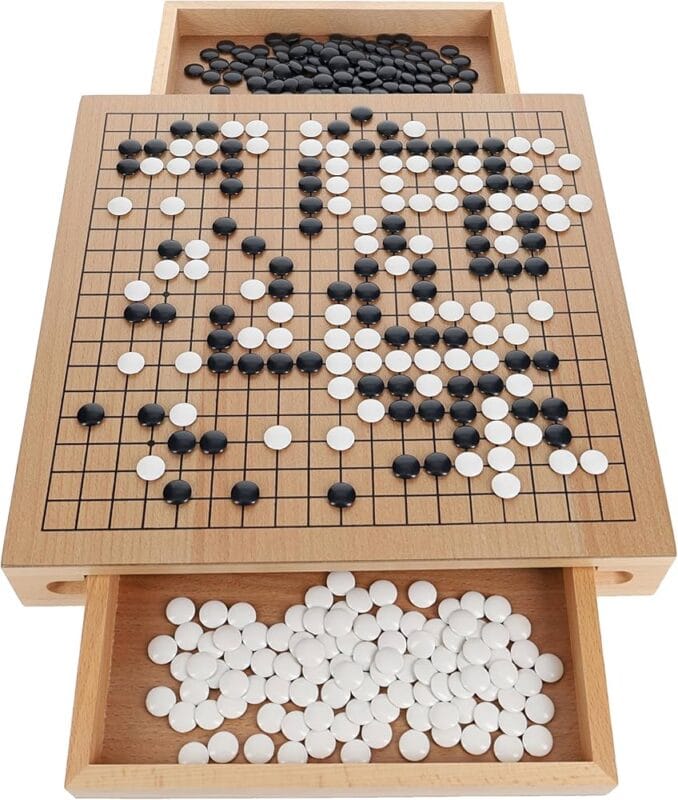
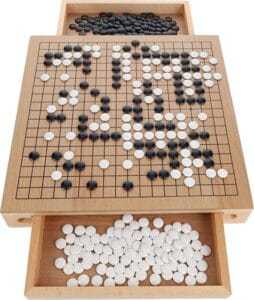
Explore Go, the ancient abstract strategy board game that enhances strategic thinking, planning, pattern recognition, decision-making, and adaptability.
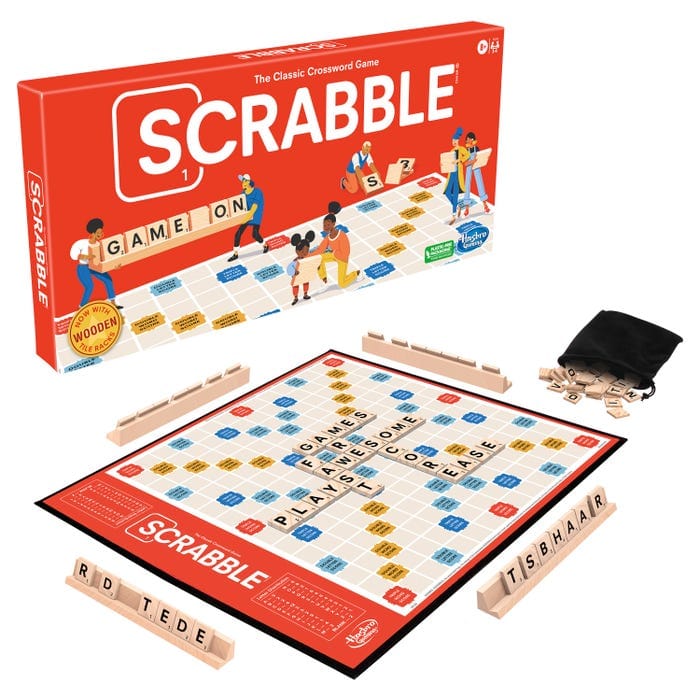
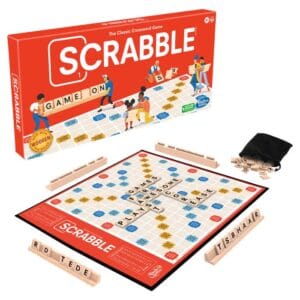
Discover Scrabble, the classic word construction board game that enhances vocabulary, reading, strategy, pattern recognition, and decision-making skills.