



PC-Console Games

PC and console games offer rich learning experiences. Learning happens through exploration, experimentation, and sustained problem-solving. The below games have a PC or console version.


Loading...


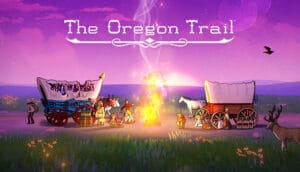
Platforms evolved from early home systems like the Atari 2600 to modern devices such as the PlayStation 5 and high-performance gaming PCs. Classic titles like The Oregon Trail showed that games could teach history and resource management. However, today’s games simulate entire ecosystems, cities, and scientific systems with impressive accuracy.


How These Games Support Learning

PC and console games excel at deep learning. You spend hours mastering mechanics, understanding systems, and refining strategies. Therefore, skills develop gradually but solidly.

They help build:

  • Strategic thinking and planning

  • Spatial reasoning

  • Complex problem-solving

  • Hand-eye coordination

  • Persistence and resilience

In fact, many simulations mirror real professions. Flight simulators teach aeronautical concepts. City builders demonstrate economics and infrastructure planning.


Famous Educational and Skill-Building Titles

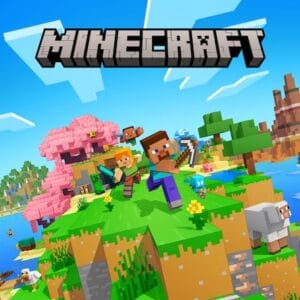
Some well-known games clearly support learning. Minecraft encourages creativity, engineering thinking, and collaboration. Kerbal Space Program teaches orbital physics and rocket design. Historical strategy games introduce geography, diplomacy, and resource management.

Even action and adventure titles develop cognitive skills. You analyze environments, solve puzzles, and adapt to changing conditions.


Benefits vs Other Platforms

Compared to mobile or board games, PC and console titles offer scale and depth. You interact with complex systems that evolve over time. As a result, learning becomes immersive.

Key advantages include:

  • Rich simulations

  • Long-form engagement

  • High visual clarity

  • Precise controls

However, they require more time, equipment, and sometimes higher costs. Long sessions can also lead to fatigue if not balanced.


Why They Matter for Learning Today

Modern careers demand systems thinking, digital literacy, and adaptability. PC and console games naturally train those abilities. They place you inside complex environments where decisions matter.

From a learning design perspective, these platforms provide experiences that are difficult to replicate elsewhere. When players experiment in detailed virtual worlds, understanding deepens. And deep understanding lasts.

Scroll to Top