








Algebra Touch: The Engaging Algebra Manipulation Puzzle Game
Discover Algebra Touch, an algebra manipulation puzzle that enhances mathematical reasoning, problem-solving, deductive reasoning, and pattern recognition.
With mobile games learning can happen anywhere — on a bus, in a waiting room, or at home. The below games have a mobile version.
Mobile games excel at microlearning. You practice small skills repeatedly in short bursts. Therefore, retention improves without feeling overwhelming.
They help you develop:
Memory and recall
Language skills
Numeracy and logic
Problem-solving speed
Hand-eye coordination
In fact, adaptive systems track your progress and adjust difficulty automatically. That personalization makes learning efficient.
Some titles clearly blend fun and learning. Duolingo gamifies language acquisition through streaks and challenges. Monument Valley strengthens spatial reasoning and perspective-taking. Math and brain-training apps use daily challenges to build consistent habits.
Of course, not every mobile game is educational by design. However, many still improve cognitive skills indirectly through puzzles, strategy, or simulation mechanics.
Mobile games offer unmatched accessibility. You don’t need special hardware or long sessions. You tap and play. As a result, learning opportunities multiply.
Key advantages include:
Anytime, anywhere access
Short, manageable sessions
Personalized difficulty
Low cost or free entry
However, distractions are a real downside. Notifications and multitasking can reduce focus. Also, touch controls limit complexity compared to PC or console games.
Modern schedules leave little uninterrupted time. Mobile games fit into real life instead of competing with it. They transform idle moments into productive ones.
From a learning design perspective, they succeed because they combine habit formation, feedback, and motivation. When practice becomes convenient, consistency follows. And consistent practice drives mastery.

Discover Algebra Touch, an algebra manipulation puzzle that enhances mathematical reasoning, problem-solving, deductive reasoning, and pattern recognition.

Discover Terraria, the sandbox survival crafting game that enhances problem-solving, creative thinking, planning, adaptability, and strategic skills.
Discover DreamBox Math, the adaptive math learning game that enhances mathematical reasoning, problem-solving, pattern recognition, and decision-making skills.
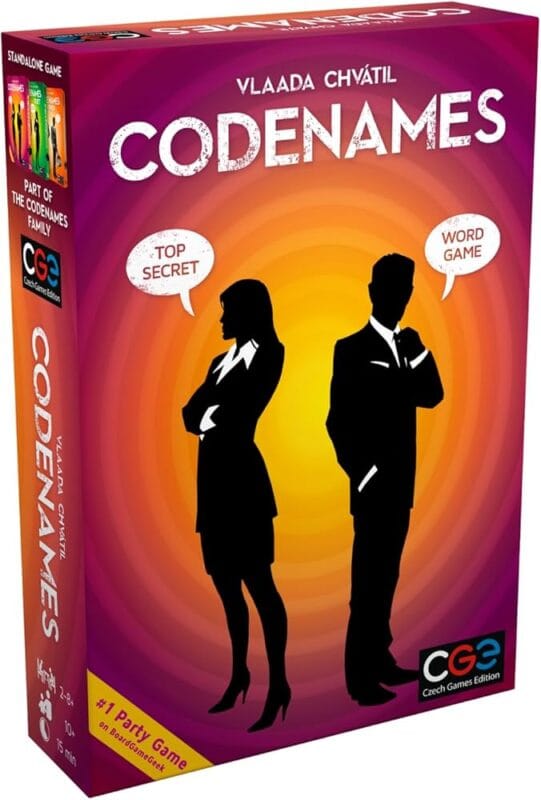
Discover Codenames, the word-based team deduction game that enhances communication, teamwork, and decision-making in a fun, engaging way.
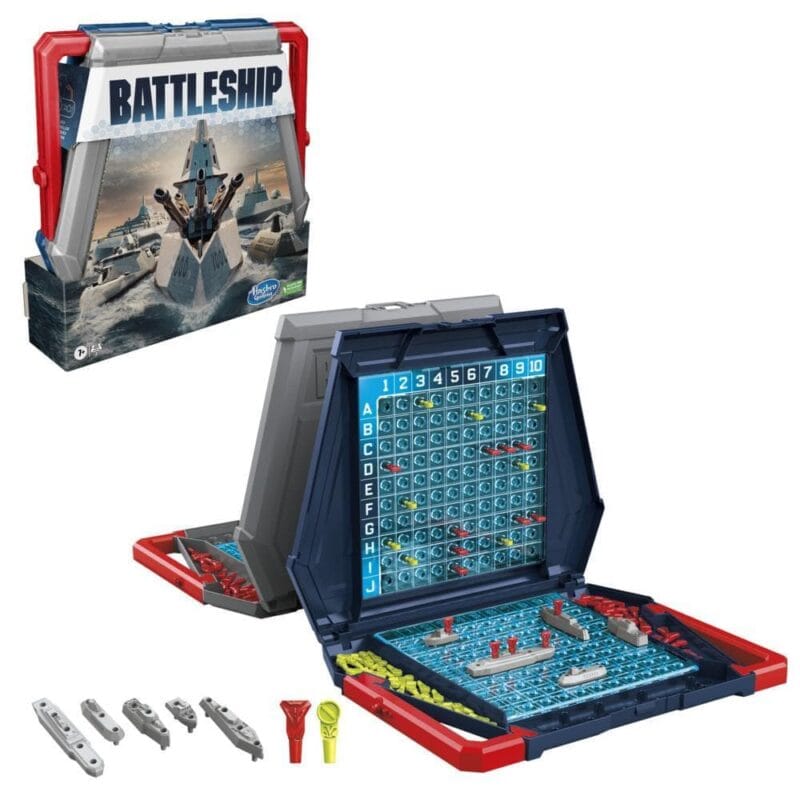
Discover Battleship, the classic turn-based guessing strategy game that enhances deductive reasoning, pattern recognition, planning, and decision-making skills.

Discover Dominoes, the tile-based abstract strategy game that enhances pattern recognition, planning, strategic thinking, and decision-making skills.
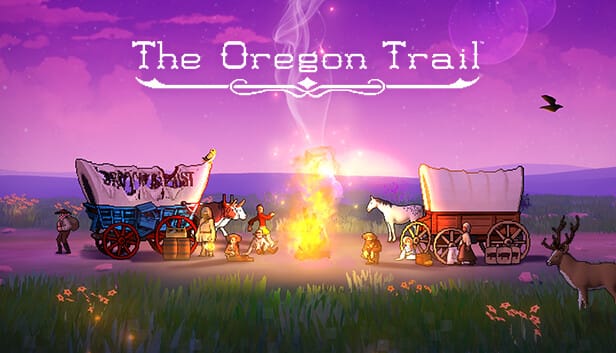
Explore The Oregon Trail, the historical simulation adventure game enhancing decision-making, planning, resilience, problem-solving, and adaptability skills.

Discover Prodigy Math, the curriculum-aligned math RPG that boosts reasoning, problem-solving, focus, decision-making, and resilience for kids ages 6-14.

DragonBox Algebra is a puzzle-based algebra learning game that enhances mathematical reasoning, problem-solving, pattern recognition, planning, and foresight.
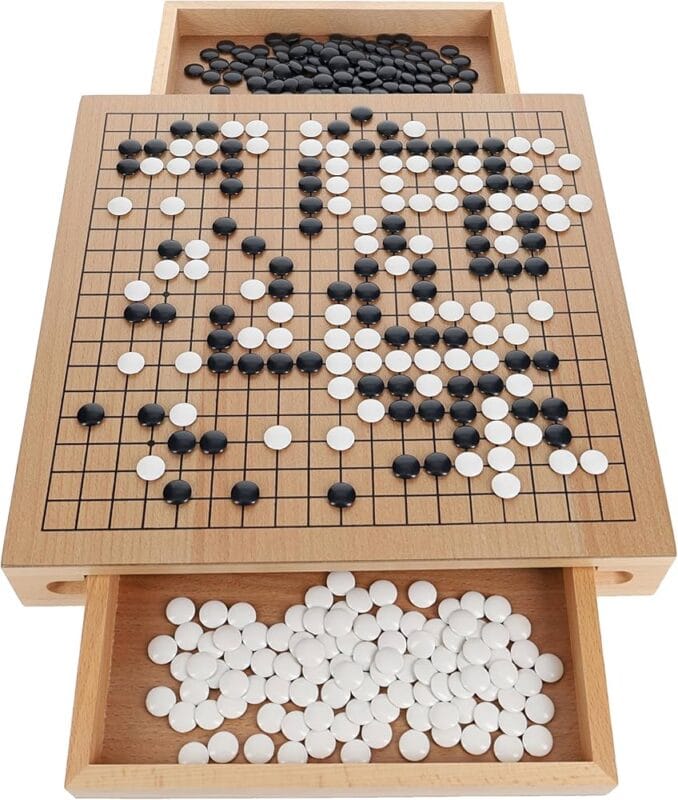
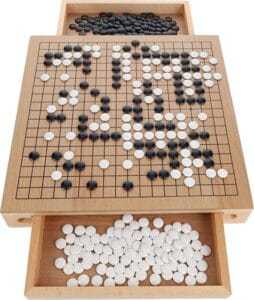
Explore Go, the ancient abstract strategy board game that enhances strategic thinking, planning, pattern recognition, decision-making, and adaptability.