
Boggle: The Classic Word Search Party Game That Boosts Your Vocabulary and Focus
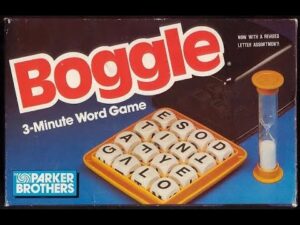
Discover Boggle, the classic word search party game that enhances vocabulary expansion, pattern recognition, attention, focus, and dexterity for all ages.
Vocabulary games help you expand your word knowledge in an active and engaging way. You connect meaning, spelling, and usage naturally.
The study of vocabulary has deep roots in rhetoric and linguistics. Aristotle emphasized persuasive language, while scholars like Samuel Johnson shaped early dictionaries. Later, modern linguists such as Noam Chomsky explored how humans acquire language structures. However, traditional vocabulary instruction often relied on repetition alone.
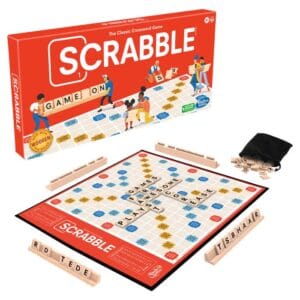
Games shifted that model. Word-based board games like Scrabble, created in the 1930s, turned spelling and word formation into strategy. Crossword puzzles strengthened contextual recall. Then digital platforms introduced timed challenges, adaptive quizzes, and multiplayer word competitions. In fact, interactive repetition improves long-term memory more effectively than passive review.
These category of games strengthen core communication skills that influence academic and professional success.
Players improve:
Word recognition
Spelling accuracy
Contextual understanding
Synonym and antonym knowledge
Reading fluency
However, the deeper benefit lies in confidence. You begin to use richer language in speech and writing. Expression becomes clearer and more precise.
Vocabulary grows through exposure and repetition. Games provide both in structured cycles. You encounter words, apply them, receive feedback, and repeat the process. Therefore, learning becomes active instead of passive.
Even though flashcards remain useful, games add challenge and emotion. Competition and time pressure increase focus. As a result, engagement rises and recall strengthens.
Cognitive research supports this approach. Active retrieval practice significantly improves memory consolidation. Structured play makes retrieval frequent and enjoyable.
Several well-known titles reinforce language development:
Scrabble – Strategic word building
Boggle – Rapid word recognition
Crossword puzzles – Context-based recall
Wordscapes – Pattern-based vocabulary building
Digital language learning apps – Progressive skill development
Each one targets different aspects of word mastery.
Strong vocabulary supports reading comprehension, writing clarity, and effective communication. These category of games provide consistent practice in manageable steps.
They do not replace deep reading or advanced writing exercises. However, they build foundational language strength. And strong foundations support lifelong learning.
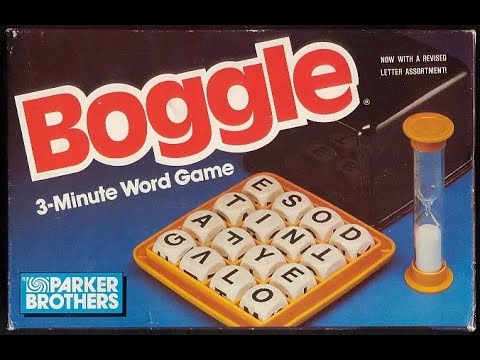
Discover Boggle, the classic word search party game that enhances vocabulary expansion, pattern recognition, attention, focus, and dexterity for all ages.
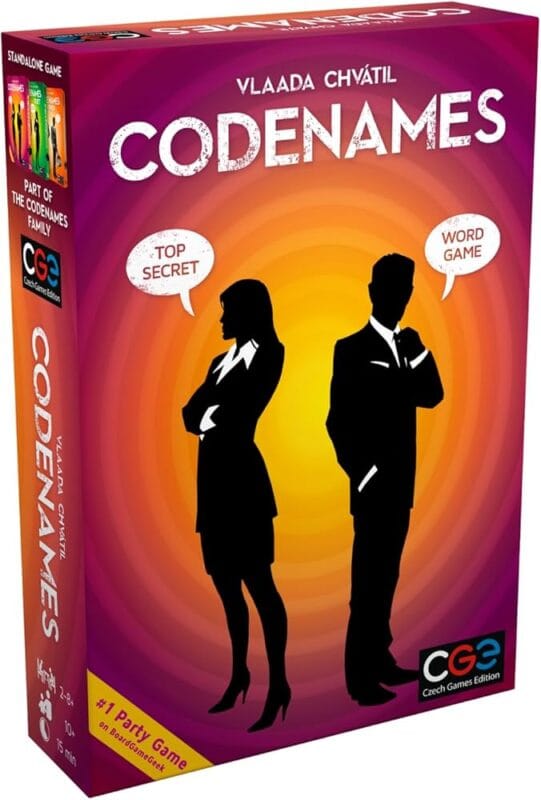
Discover Codenames, the word-based team deduction game that enhances communication, teamwork, and decision-making in a fun, engaging way.
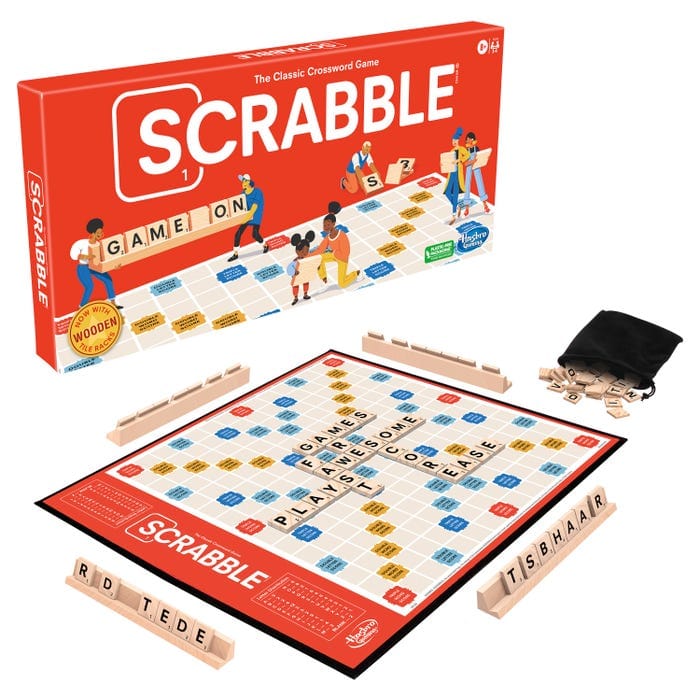
Discover Scrabble, the classic word construction board game that enhances vocabulary, reading, strategy, pattern recognition, and decision-making skills.
Discover Duolingo, the gamified language learning app that enhances memory, reading comprehension, vocabulary, attention, and focus for learners worldwide.