
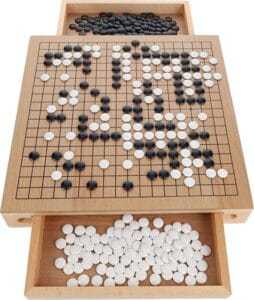
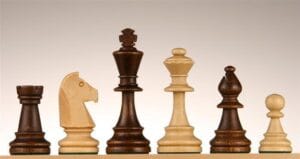
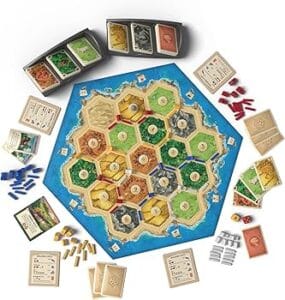
Discover Go: The Classic Abstract Strategy Board Game
Explore Go, the ancient abstract strategy board game that enhances strategic thinking, planning, pattern recognition, decision-making, and adaptability.
Strategy games train you to plan, adapt, and make smart decisions under pressure. Instead of reacting fast, you analyze options and predict outcomes.
Strategy has deep historical roots. Leaders like Sun Tzu, author of The Art of War, studied tactics and foresight thousands of years ago. Later, military planners and economists used structured models to simulate complex decisions. However, these ideas did not stay in textbooks. They moved into board games and eventually into digital worlds.
Chess remains one of the most iconic examples. It teaches positional awareness, sacrifice, and consequence analysis. Then games like Civilization, StarCraft, and Age of Empires expanded strategic thinking into economics, diplomacy, and resource management. In fact, many educators now use these types of games to introduce systems thinking.
These category of games build cognitive and leadership skills. They reward patience, planning, and flexibility.
Players develop:
Long-term planning
Risk assessment
Resource management
Adaptive thinking
Decision-making under uncertainty
However, strategy games also teach emotional control. You learn to handle setbacks, adjust plans, and stay focused. That mindset transfers to school, work, and real-life problem solving.
Strategy requires active engagement. You evaluate information, weigh trade-offs, and commit to choices. Therefore, learning becomes dynamic instead of passive.
Even though some games simplify reality, strong designs simulate complex systems with surprising accuracy. Economic balance, territorial control, and negotiation mechanics reflect real-world principles. As a result, players internalize cause-and-effect relationships naturally.
Educational research supports simulation-based learning for complex topics. When you experiment inside structured systems, you understand them faster. Experience strengthens theory.
Well-known titles that build real skills include:
Chess – Tactical foresight and positional strategy
Civilization – Long-term planning and resource allocation
StarCraft – Real-time decision-making and multitasking
Risk – Probability and territorial control
Total War – Strategic and tactical coordination
Each one emphasizes different layers of planning and adaptation.
Modern life demands strategic thinking. You manage budgets, careers, projects, and relationships. These category of games sharpen that ability.
They do not replace real-world experience. However, they provide structured environments to practice complex decision-making safely. When you consistently train strategic thinking, you strengthen your ability to lead, adapt, and succeed.
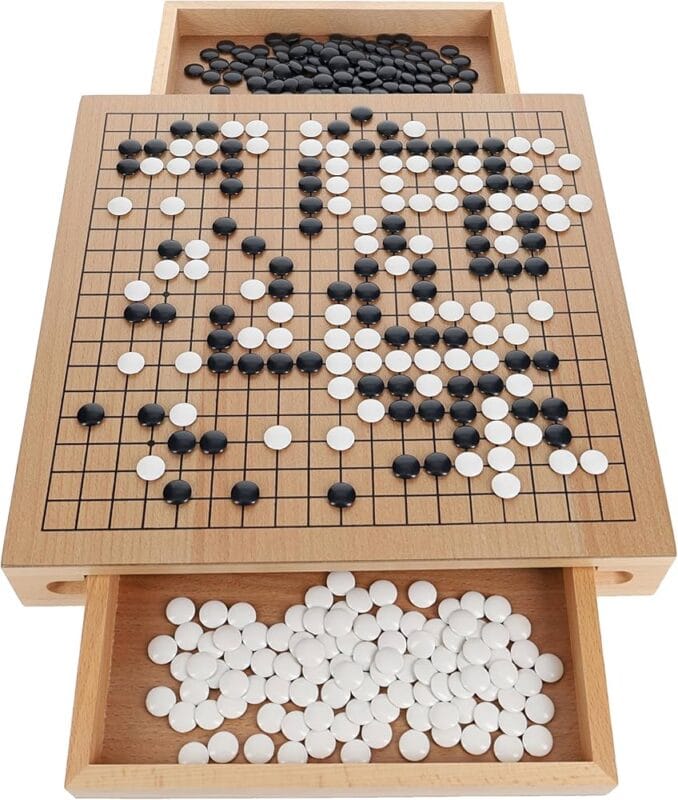
Explore Go, the ancient abstract strategy board game that enhances strategic thinking, planning, pattern recognition, decision-making, and adaptability.
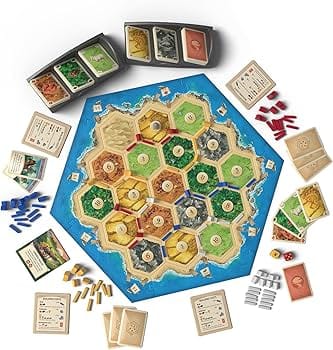
Explore Catan, the resource management strategy board game that enhances strategic thinking, negotiation, planning, decision-making, and adaptability skills.

Discover Chess, the classic abstract strategy board game that enhances strategic thinking, planning, decision-making, and pattern recognition skills.