
Number Munchers: The Classic Arcade-Style Educational Math Game
Discover Number Munchers, the arcade-style educational math game that enhances mathematical reasoning, attention, pattern recognition, and decision-making skills.
Arithmetic games are one of the most effective ways to learn math fundamentals. They turn numbers from static symbols on a page into interactive tools that players actively use.
Arithmetic is the foundation of all mathematics. When learnt through games, it becomes intuitive rather than intimidating.
Explore our arithmetic games below. Use the below filters if you want to fine-tune your search.
Arithmetic is the branch of mathematics focused on basic number operations. It’s the first structured math language most people encounter.
It includes:
Addition
Subtraction
Multiplication
Division
Fractions and decimals
Even though these concepts seem simple, they support everything from algebra to everyday decision-making. Therefore, strong arithmetic skills are essential for lifelong learning.
Arithmetic is one of the oldest human inventions. Long before formal schooling, people used arithmetic to trade, measure land, and track time.
Important historical contributors include:
Ancient Egyptians and Babylonians, who developed early number systems
Pythagoras, who explored numerical relationships
Indian mathematicians, who formalized zero and place value
Al-Khwarizmi, who helped spread arithmetic methods across cultures
In fact, arithmetic evolved through practical problem-solving, which makes it perfectly suited for game-based learning.
Arithmetic is used constantly, even when we don’t notice it. From budgeting money to cooking meals, it’s everywhere.
Learning arithmetic helps develop:
Number sense
Mental calculation
Accuracy and attention
Logical sequencing
As a result, strong arithmetic skills improve both academic performance and everyday confidence.
Even though arithmetic is basic, many learners struggle with it. This often comes from repetitive drills and fear of mistakes.
Common difficulties include:
Memorization without understanding
Speed pressure
Math anxiety
Lack of real-world context
However, arithmetic games reduce these barriers by turning mistakes into part of the learning process.
Arithmetic games make numbers active. Players don’t just calculate — they use arithmetic to progress.
Effective arithmetic games:
Encourage repetition without boredom
Offer immediate feedback
Adapt to the learner’s level
Reward accuracy and strategy
Therefore, learners practice far more than they would with worksheets, often without realizing it.
Long before digital games, arithmetic was learned through play.
Classic examples include:
Counting games
Dice and board games
Abacus-based challenges
Card games involving scoring
Later, digital games built on these ideas:
Math Blaster
Number Munchers
Prodigy Math Game
Cool Math–style puzzle games
In fact, many adults remember these games as their first positive math experiences.
Today’s arithmetic games are more adaptive and engaging than ever. They use visuals, progression systems, and personalized feedback.
Popular formats include:
Puzzle-based number games
Timed challenges and reflex games
Strategy games using resource management
Mobile apps with daily practice
As a result, learners can practice arithmetic anywhere, anytime, at their own pace.
Well-designed arithmetic games do much more than teach calculation.
They help learners build:
Fluency and automaticity
Pattern recognition
Estimation skills
Focus and persistence
Confidence with numbers
In fact, confidence is often the biggest gain. When learners feel capable, everything else follows.
Educators increasingly use arithmetic games as foundational tools, especially in early learning.
They are particularly useful for:
Introducing new operations
Reinforcing core skills
Supporting diverse learning speeds
Reducing math anxiety
Therefore, arithmetic games work best when combined with explanation and reflection.
Arithmetic games continue to evolve alongside technology and learning science.
Emerging trends include:
Adaptive difficulty powered by data
Game-based assessments
Short daily practice loops
Integration with classroom curricula
Even though arithmetic will always require practice, games make that practice engaging and sustainable.
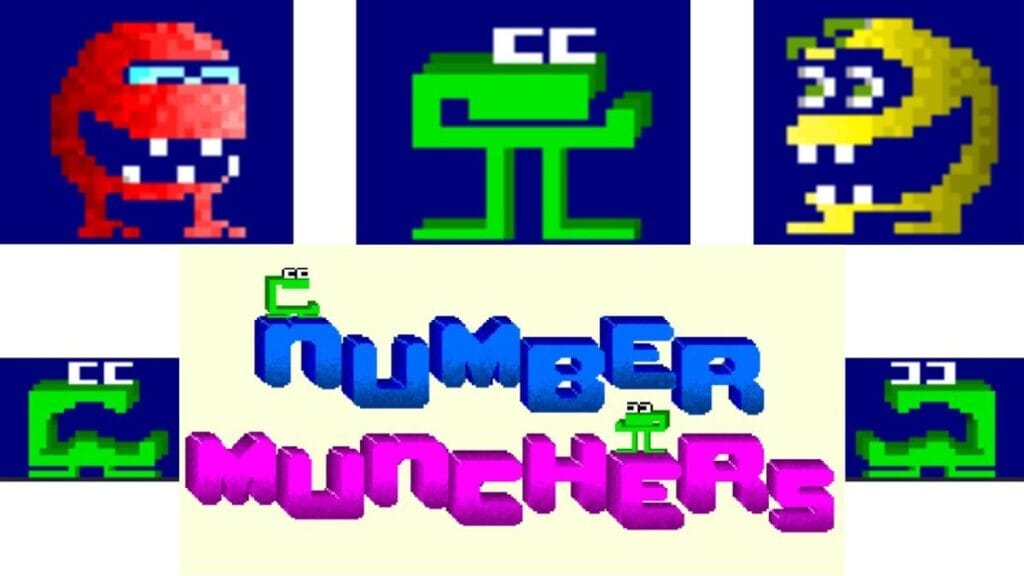
Discover Number Munchers, the arcade-style educational math game that enhances mathematical reasoning, attention, pattern recognition, and decision-making skills.
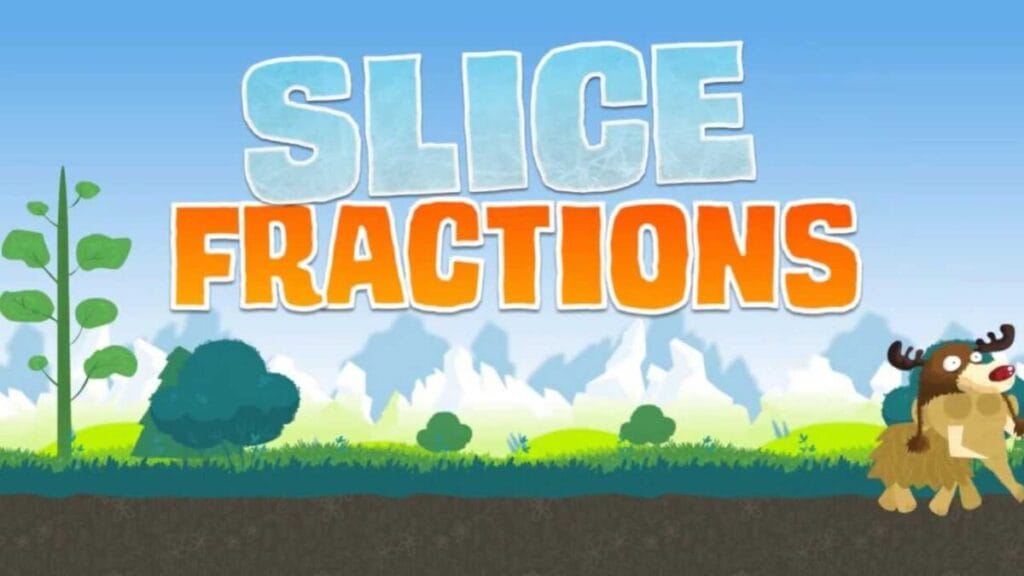
Slice Fractions is a fraction-based physics puzzle game that enhances mathematical reasoning, problem-solving, and pattern recognition skills.