

Terraria: The Sandbox Survival Crafting Game That Boosts Your Skills
Discover Terraria, the sandbox survival crafting game that enhances problem-solving, creative thinking, planning, adaptability, and strategic skills.
Three or more player games bring a different kind of excitement. More people means more interaction, more unpredictability, and more strategy. You manage people, alliances, and shifting situations.
Ancient civilizations played multiplayer board games thousands of years ago. Senet in Egypt and later strategy games across Asia and Europe involved multiple participants. However, modern design expanded the scale and complexity. Today, tabletop and digital formats allow massive shared experiences.
When you move beyond one or two players, the structure changes. You must read the room. You anticipate more variables. Then you adapt.
With three or more players, you deal with:
Group dynamics
Temporary alliances
Social negotiation
Unpredictable outcomes
Multi-layered strategy
In fact, many educators use multiplayer formats to build communication and collaboration skills. The learning goes beyond the rules.
Board games shaped this category early on. Monopoly introduced economic competition among multiple players. Risk emphasized territorial strategy and diplomacy. Then cooperative games like Pandemic required shared problem-solving.
Digital games expanded this even further. Mario Party thrives on chaotic fun with groups. Among Us highlights deduction and social strategy. Massive online games allow dozens or even hundreds of players to interact in real time.
These category of games build skills you use daily. You practice reading social cues. You learn when to cooperate and when to compete. As a result, your communication sharpens.
They also strengthen:
Conflict resolution
Strategic flexibility
Emotional regulation
Team coordination
However, they come with challenges. Group play can create tension or imbalance. Good design minimizes these issues through clear rules and balanced mechanics.
Modern life revolves around collaboration. Workplaces, schools, and communities depend on teamwork. These category of games simulate those environments in manageable ways.
They do not replace real-world experience. However, they offer safe spaces to practice social strategy and leadership. When you consistently engage in group-based play, you develop sharper interpersonal and decision-making skills.
More players. More complexity. More growth.
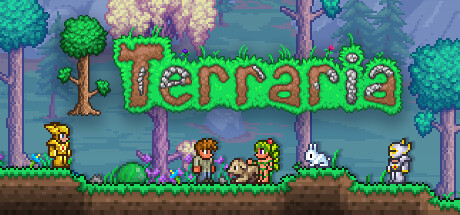
Discover Terraria, the sandbox survival crafting game that enhances problem-solving, creative thinking, planning, adaptability, and strategic skills.
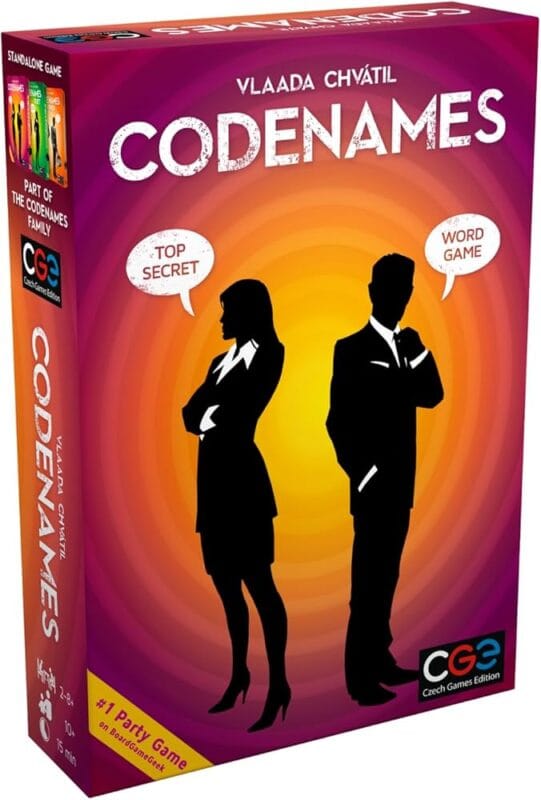
Discover Codenames, the word-based team deduction game that enhances communication, teamwork, and decision-making in a fun, engaging way.
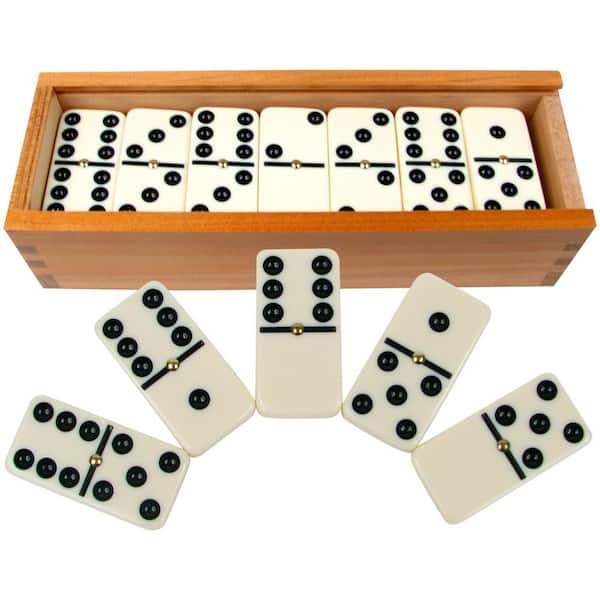
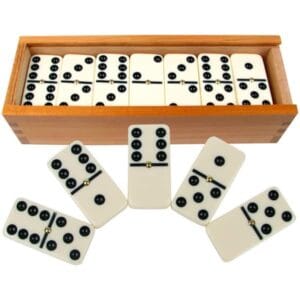
Discover Dominoes, the tile-based abstract strategy game that enhances pattern recognition, planning, strategic thinking, and decision-making skills.
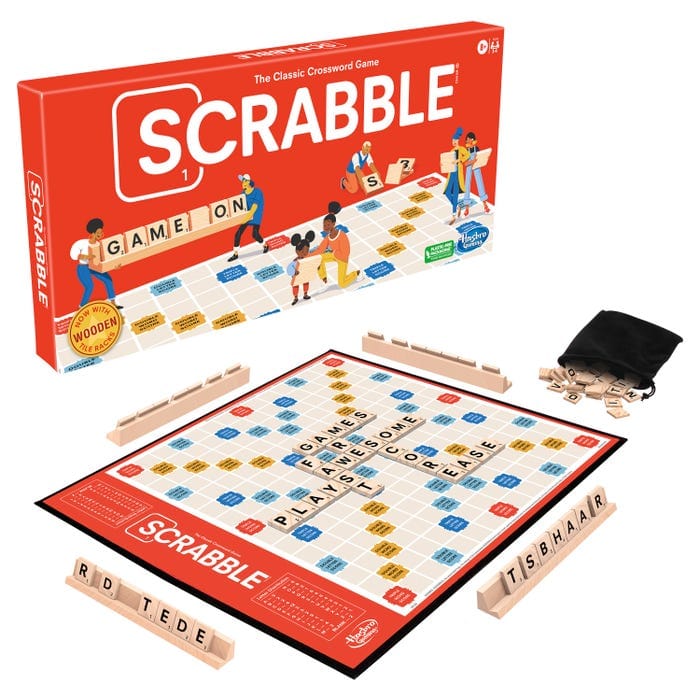
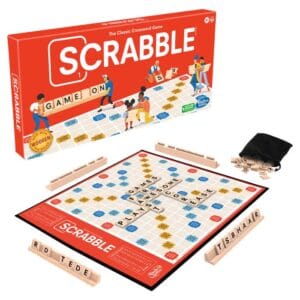
Discover Scrabble, the classic word construction board game that enhances vocabulary, reading, strategy, pattern recognition, and decision-making skills.
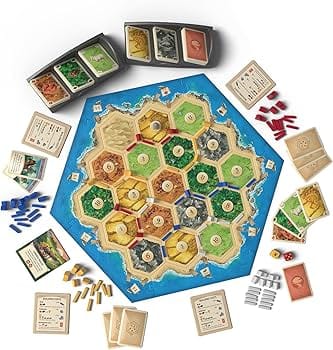
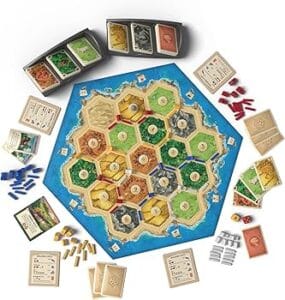
Explore Catan, the resource management strategy board game that enhances strategic thinking, negotiation, planning, decision-making, and adaptability skills.
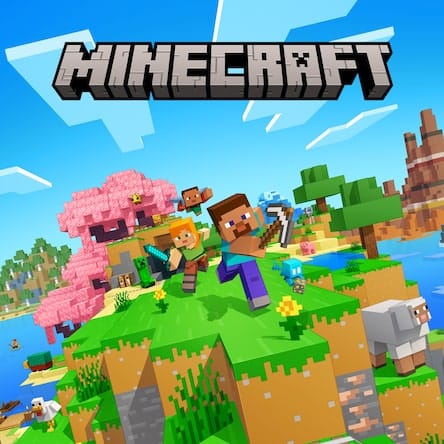
Explore Minecraft, the open-ended sandbox building game that enhances creative thinking, problem-solving, planning, and adaptability for players of all ages.