


SpaceChem: The Industrial Programming Puzzle That Sharpens Your Mind
SpaceChem is an industrial programming puzzle game enhancing problem-solving, planning, reasoning, strategic thinking, and adaptability skills.
Logic games challenge how you think. They push you to analyze patterns, test assumptions, and solve structured problems.
The roots of logic go way back. Aristotle formalized early systems of reasoning, and later thinkers like René Descartes and George Boole expanded logical structures that still influence math and computer science today. However, logic was not always taught in playful ways. For centuries, it lived mostly in philosophy books and academic debates.
That changed when puzzles and strategy games entered classrooms and homes. Chess, which dates back over 1,500 years, trains structured thinking and foresight. Sudoku, although modern in popularity, sharpens deductive reasoning. Then digital games expanded access even more, offering interactive brain teasers and problem-solving adventures.
These category of games strengthen core cognitive skills that transfer far beyond the screen or board. They train the mind to think clearly under pressure.
Players develop:
Critical thinking
Pattern recognition
Deductive reasoning
Strategic planning
Problem-solving skills
In fact, these skills support success in math, science, coding, and everyday decision-making. You start noticing patterns in real life. You question assumptions. You make cleaner arguments.
Logic requires practice. Reading about reasoning helps, but applying it builds mastery. Games create safe spaces to test ideas, fail, and try again. Therefore, feedback loops become fast and motivating.
Even though some puzzles feel simple, they build mental discipline. You learn to break big problems into smaller steps. That habit sticks. As a result, complex tasks feel less overwhelming.
Research in cognitive science supports this approach. Active problem-solving strengthens neural pathways more effectively than passive review. Structured play encourages deep focus, which improves retention.
Many well-known titles sharpen reasoning skills:
Chess – Strategic foresight and consequence analysis
Sudoku – Deductive elimination
Logic grid puzzles – Structured reasoning
Portal – Spatial logic and physics-based problem solving
The Witness – Pattern recognition and rule discovery
Each one trains a different type of reasoning.
Clear thinking matters more than ever. You face constant information, opinions, and decisions. These category of games help you slow down and analyze instead of reacting impulsively.
This approach has limits. Games alone do not replace formal study. However, they build cognitive foundations that make deeper learning easier.
When you practice logic through play, you strengthen how you think. And strong thinking improves everything else.
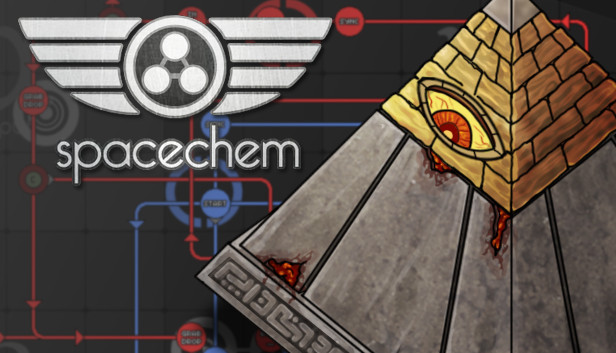
SpaceChem is an industrial programming puzzle game enhancing problem-solving, planning, reasoning, strategic thinking, and adaptability skills.
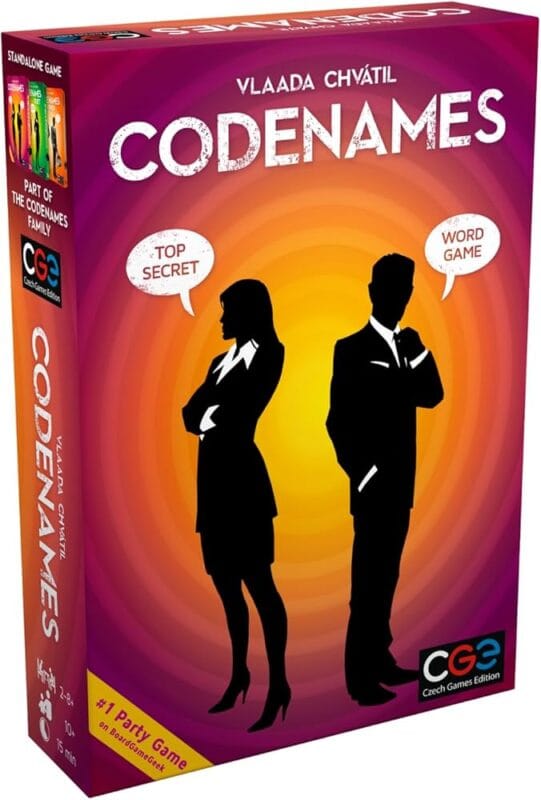
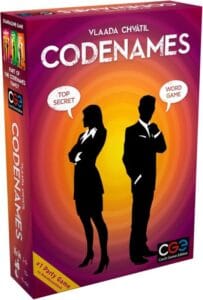
Discover Codenames, the word-based team deduction game that enhances communication, teamwork, and decision-making in a fun, engaging way.
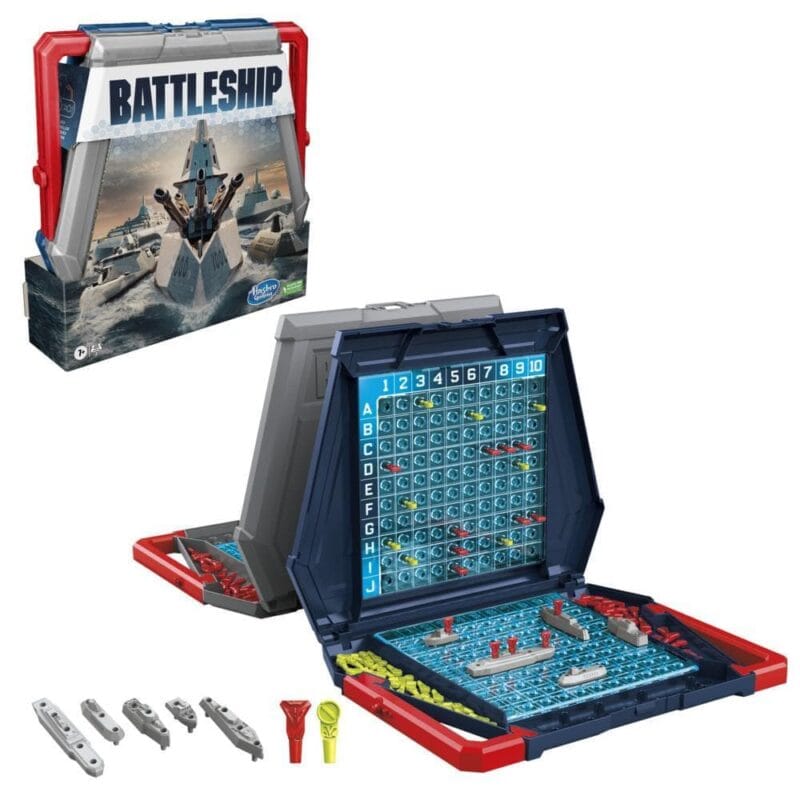
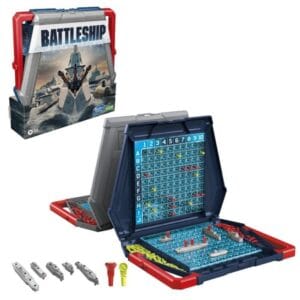
Discover Battleship, the classic turn-based guessing strategy game that enhances deductive reasoning, pattern recognition, planning, and decision-making skills.
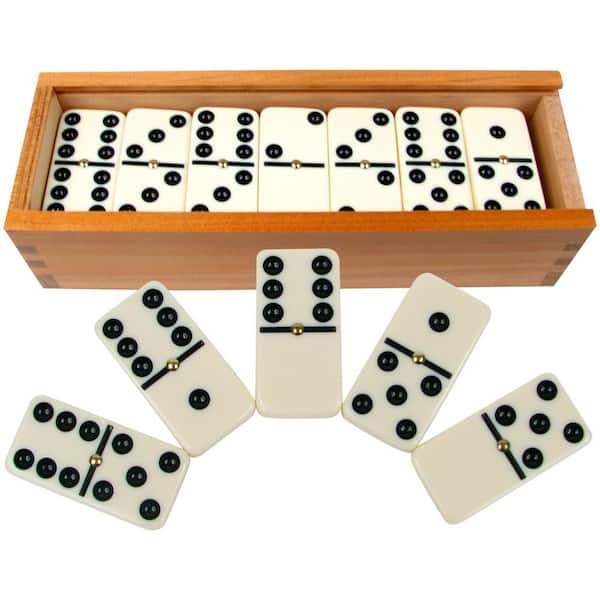
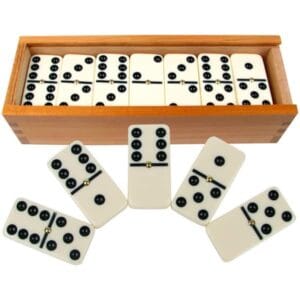
Discover Dominoes, the tile-based abstract strategy game that enhances pattern recognition, planning, strategic thinking, and decision-making skills.
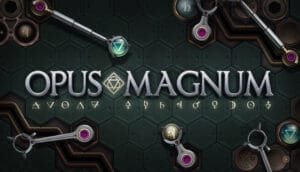
Discover Opus Magnum, a programming-based puzzle game that enhances problem-solving, pattern recognition, planning, and deductive reasoning skills.

Discover Chess, the classic abstract strategy board game that enhances strategic thinking, planning, decision-making, and pattern recognition skills.