
The Oregon Trail is a classic historical simulation adventure game that has captivated players for decades. It offers a unique blend of education and entertainment, allowing players to experience the challenges faced by 19th-century pioneers as they journeyed westward. As the historical simulation adventure game that helps enhance Decision-making, Planning and foresight, Resilience, Problem-solving, and Adaptability, it remains a beloved title for both casual and educational gamers.
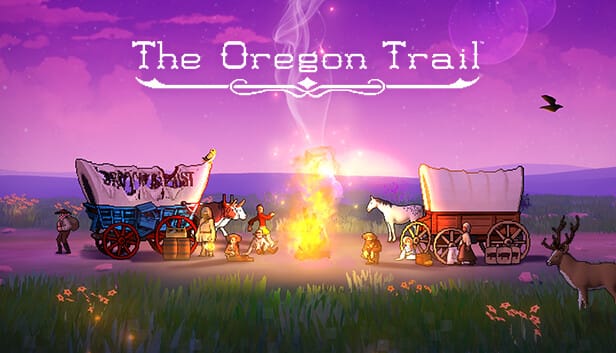
What is The Oregon Trail? An overview
History, Origin
The Oregon Trail was originally developed in 1971 by Don Rawitsch, Bill Heinemann, and Paul Dillenberger. It was designed as an educational tool to teach students about the realities and hardships of the westward expansion in the United States during the 19th century. Over time, it evolved from a simple text-based game into a more graphically rich experience, becoming one of the most iconic educational games of all time.
Versions and Editions
The game has seen numerous versions, from its early mainframe and Apple II releases to modern adaptations on various platforms. Prices for physical editions vary widely, typically ranging from $10 to $50 depending on the edition and condition, while digital versions can often be found for under $20. It is available primarily in English, but some editions and fan translations have made it accessible in other languages.
Platform availability
The Oregon Trail can be played on PCs, Macs, and mobile devices. Earlier versions ran on Apple II and DOS systems, while newer releases are compatible with iOS and Android platforms, as well as modern Windows and macOS computers.
Level of complexity
The game is designed to be accessible to a wide audience, featuring straightforward controls and clear objectives. While the gameplay involves strategic planning and resource management, it remains approachable for beginners and engaging for seasoned players alike.
Audience & Age
Primarily targeted at students and young players aged 10 and up, the game is also enjoyed by adults interested in history or educational gaming. Its content is suitable for classroom use and family play, making it a versatile choice for learning and fun.
Educational Value – What skills does The Oregon Trail develop?
- Decision-making: Players must make critical choices about supplies, routes, and responses to challenges, fostering thoughtful decision-making skills.
- Planning and foresight: Managing resources and anticipating potential obstacles teaches players to plan ahead effectively.
- Resilience: The game simulates hardships such as illness and weather, encouraging players to adapt and persevere.
- Problem-solving: Unexpected events require quick thinking and creative solutions to keep the journey on track.
- Adaptability: Changing conditions and random events demand flexibility in strategy and approach.
Players do not need prior historical knowledge to enjoy the game, though familiarity with the Oregon Trail and 19th-century American history can enhance the experience.
How to play The Oregon Trail?
What does it look like?
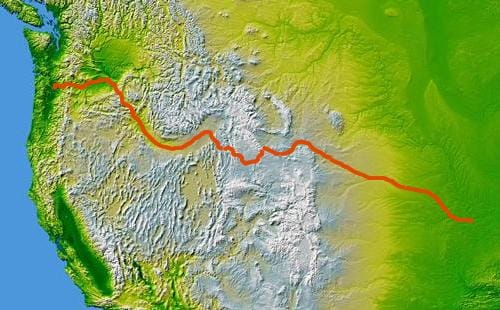
The game is primarily digital, featuring a combination of pixel art graphics and text-based prompts. When purchased, the digital version requires a standard PC or mobile device with basic specifications: a modern web browser or iOS/Android compatibility, minimal storage, and no special hardware. Earlier physical editions included manuals and occasionally supplementary materials, but today’s versions are mostly standalone digital downloads or online play.
Core concept, gameplay style & mechanics
Players take on the role of a wagon leader guiding a party of settlers along the Oregon Trail. The gameplay involves managing supplies, choosing routes, hunting for food, and responding to random events like river crossings or illnesses. It combines turn-based strategy with resource management and narrative decision-making.
Objective of the game
The main goal is to successfully lead your group from Independence, Missouri, to the Willamette Valley in Oregon without losing all your party members or running out of supplies. Achieving this requires careful planning and adaptability to survive the journey.
Initial Setup and learning curve
Players begin by selecting their party members, purchasing supplies, and setting a pace for travel. The game includes tutorials and prompts that ease new players into the mechanics, making the learning curve manageable.
Step-by-step Basic Gameplay Loop
- Choose your supplies and prepare your wagon.
- Start the journey and decide on daily travel pace and rest.
- Encounter random events like weather changes, river crossings, or illnesses.
- Make decisions to hunt, trade, or rest as needed.
- Manage resources carefully to avoid running out of food or spare parts.
- Repeat until reaching Oregon or failing the journey.
Common mistakes
- Overloading the wagon with unnecessary supplies, which slows travel.
- Ignoring the health and morale of party members.
- Failing to rest or hunt adequately, leading to starvation or sickness.
- Taking risky river crossings without proper preparation.
Expert tips
- Balance your supplies to keep weight manageable but sufficient.
- Pay attention to weather and terrain to plan safe travel days.
- Use hunting strategically to supplement food but conserve ammunition.
- Rest when party members show signs of fatigue or illness.
Alternative games to The Oregon Trail
Where in the World Is Carmen Sandiego? is a geography-based educational game that challenges players to track down a master thief by solving clues related to world locations. It is a great alternative for those interested in geography and detective-style problem-solving.
Civilization VI is a strategy game where players build and expand a civilization from ancient times to the modern era. It offers deep strategic gameplay with a focus on planning, diplomacy, and resource management, making it a compelling alternative for fans of historical and strategic games.
FAQ
What platforms can I play The Oregon Trail on?
The game is available on PC, Mac, iOS, and Android devices. Earlier versions were designed for Apple II and DOS systems, but modern versions support current operating systems and mobile platforms.
Is The Oregon Trail suitable for children?
Yes, it is appropriate for children aged 10 and up. The game’s educational content and manageable difficulty make it suitable for classroom and family play.
Do I need prior historical knowledge to enjoy the game?
No, the game is designed to be accessible without prior knowledge. However, understanding the historical context can enhance the experience.
What skills can I develop by playing The Oregon Trail?
The game helps develop decision-making, planning and foresight, resilience, problem-solving, and adaptability through its simulation of pioneer challenges.
Can I play The Oregon Trail offline?
Many versions of the game can be played offline once downloaded, though some modern editions may require an internet connection for updates or additional content.
For Further Learning and Playing
Banished is a city-building strategy game focused on survival and resource management in a harsh environment. It builds on the themes of The Oregon Trail by emphasizing careful planning and adaptability in the face of environmental challenges.
Frostpunk is a survival city-builder set in a frozen post-apocalyptic world. It extends the experience of The Oregon Trail by requiring players to make tough moral and strategic decisions to keep their community alive under extreme conditions.
To sum up
The Oregon Trail remains a timeless educational simulation that effectively combines history with engaging gameplay. It develops essential skills such as decision-making and resilience while providing a fun and challenging experience. For those who enjoy it, games like Banished and Frostpunk offer a natural progression into deeper survival and strategy challenges.
Sources:
Player Reviews
There are no reviews yet. Be the first one to write one.