
Chess is a timeless abstract strategy board game that has captivated minds around the world for centuries. Known for its deep strategic elements, it helps enhance strategic thinking, planning and foresight, decision-making, and pattern recognition. Whether you’re a beginner or a seasoned player, this game offers endless opportunities to sharpen your mental skills and enjoy competitive play.
What is Chess? An overview
History, Origin
Chess originated in northern India around the 6th century AD, evolving from the ancient game Chaturanga. It gradually spread through Persia and the Islamic world before reaching Europe by the Middle Ages. Over time, the rules were refined into the modern game we know today. Its rich history reflects centuries of cultural exchange and intellectual development.
Versions and Editions
The game is available in many physical and digital versions worldwide. Traditional wooden or plastic chess sets typically range from $10 to $200 or more, depending on craftsmanship and materials. Digital versions are often free or available for purchase on platforms like PC, mobile, and consoles. The game is accessible in virtually every language, making it a truly global pastime.
Platform availability
Chess can be played on physical boards, computers, smartphones, and tablets. Popular apps and online platforms allow players to compete globally or practice against AI, making the game highly accessible.
Level of complexity
Despite its straightforward rules, chess offers immense complexity. The number of possible game positions is astronomical, providing players with endless challenges. This complexity supports learning at all skill levels, from casual play to professional tournaments.
Audience & Age
Chess is suitable for players aged 6 and up, with many schools incorporating it into their curriculum. Its broad appeal spans children, adults, and seniors, making it a truly universal game.
Educational Value – What skills does Chess develop?
- Strategic thinking: The game requires players to evaluate long-term plans and anticipate opponents’ moves, fostering advanced strategic skills.
- Planning and foresight: Players must think several moves ahead, improving their ability to plan and foresee consequences.
- Decision-making: Each move demands careful choices under pressure, enhancing critical decision-making abilities.
- Pattern recognition: Recognizing common positions and tactics helps players react quickly and effectively.
Basic understanding of the rules is necessary before playing, but no prior strategic experience is required. The game naturally builds these skills through practice and study.
How to play Chess?
What does it look like?
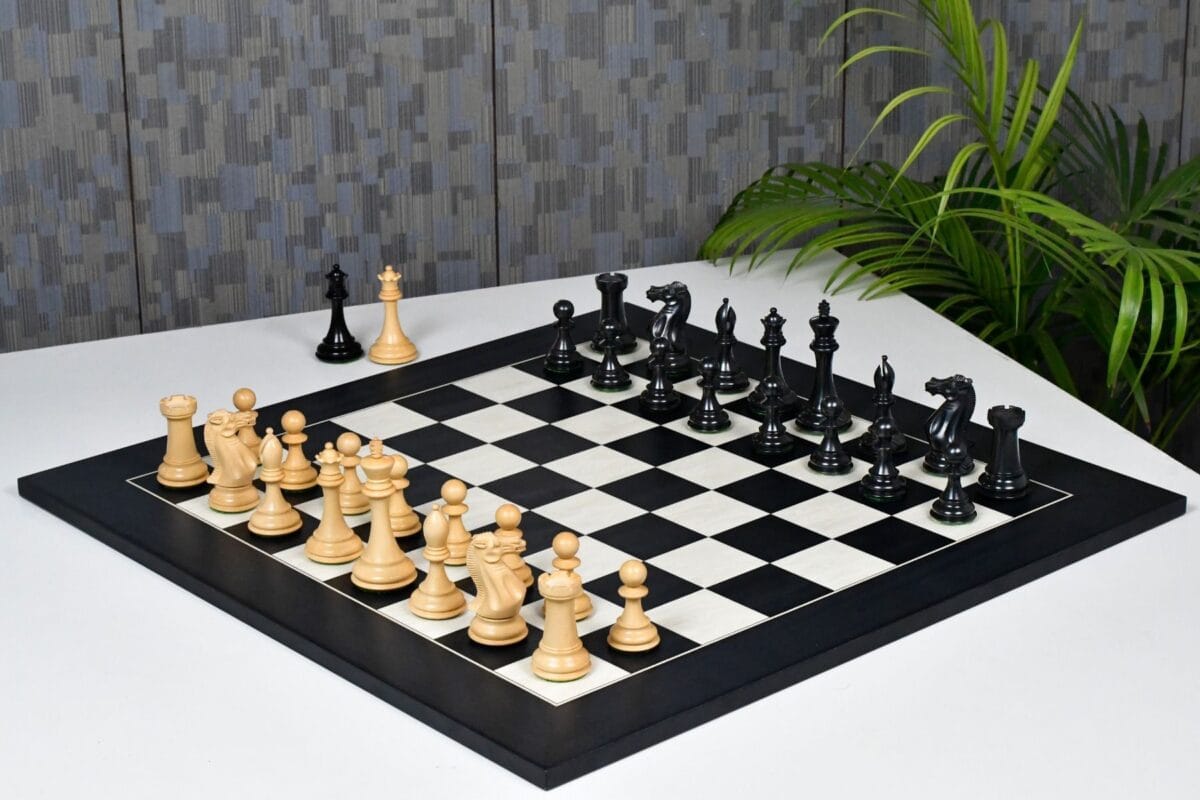
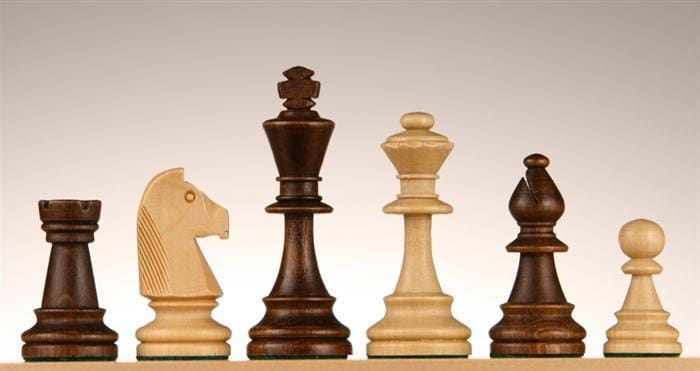
A standard chess set includes a checkered board of 64 squares in an 8×8 grid and 32 pieces divided equally between two players. Each player has 16 pieces: 1 king, 1 queen, 2 rooks, 2 knights, 2 bishops, and 8 pawns. Digital versions require devices capable of running chess software or apps, which are available on most modern smartphones, tablets, and computers with minimal technical requirements.
Core concept, gameplay style & mechanics
The game is turn-based, with players moving one piece per turn according to specific rules. The gameplay emphasizes control of the board, positioning, and capturing opponent pieces. Each piece moves uniquely, and players must balance offense and defense.
Objective of the game
The ultimate goal is to checkmate the opponent’s king, meaning the king is under threat of capture and cannot escape. Achieving this requires skillful maneuvering and tactical awareness.
Initial Setup and learning curve
Setting up the board is simple, with pieces arranged on the two rows closest to each player. While the rules are easy to learn, mastering strategies and tactics can take years, which makes it rewarding for players at all levels.
Step-by-step Basic Gameplay Loop
- Players alternate turns, moving one piece each turn.
- Pieces move according to their unique patterns.
- Players capture opposing pieces by landing on their squares.
- Players aim to control the board and protect their king.
- The game ends when one player checkmates the opponent or a draw is declared.
Common mistakes
- Neglecting king safety early in the game.
- Overlooking opponent’s threats and tactics.
- Failing to develop pieces efficiently.
- Rushing moves without planning ahead.
Expert tips
- Control the center of the board early.
- Develop all your pieces before launching attacks.
- Keep your king safe by castling early.
- Study common openings and endgame techniques.
- Practice regularly to improve pattern recognition.
Alternative games to Chess
Two excellent alternatives that share the abstract strategy nature of the game are Go and Shogi. Go is an ancient game from East Asia focused on territorial control with simple rules but deep strategy. Shogi, often called Japanese chess, features unique piece drops and dynamic gameplay. Both provide fresh challenges while developing similar cognitive skills.
FAQ
How long does a typical chess game last?
The duration varies widely. Casual games may last 10 to 30 minutes, while tournament games can extend to several hours depending on the time controls used.
Can beginners learn chess easily?
Yes, the basic rules are straightforward and can be learned quickly. However, mastering the game’s strategic depth requires practice and study.
Is chess only played on physical boards?
No, chess is widely played online and via digital apps, allowing players to compete globally or practice solo against AI opponents.
What are the main benefits of playing chess?
Chess improves strategic thinking, planning, decision-making, and pattern recognition. It also enhances memory, concentration, and problem-solving skills.
Are there chess tournaments for all levels?
Yes, tournaments are organized worldwide for beginners, amateurs, and professionals, providing competitive opportunities for every skill level.
For Further Learning and Playing
Stratego is a strategic board game that builds on chess’ tactical foundation by adding elements of hidden information and bluffing, making it a natural next step for players seeking new challenges. Learn more at Stratego.
Hive is another excellent continuation, featuring abstract strategy with no board and insect-themed pieces that move uniquely. It encourages spatial reasoning and tactical planning similar to chess. Discover Hive at Hive.
To sum up
Chess remains one of the most profound abstract strategy board games, offering endless opportunities to develop strategic thinking, planning and foresight, decision-making, and pattern recognition. Its rich history, accessibility, and depth make it a beloved classic worldwide.
Sources:
- Encyclopedia Britannica – Chess
- Chess.com – Learn How to Play Chess
- History.com – History of Chess
- United States Chess Federation
Player Reviews
There are no reviews yet. Be the first one to write one.